7 Best Video Conferencing for Client Meetings (2026)
Ops leads: Automate workflows & impress clients! We tested 7 top video conferencing tools for presentations and collaboration. Find yours →
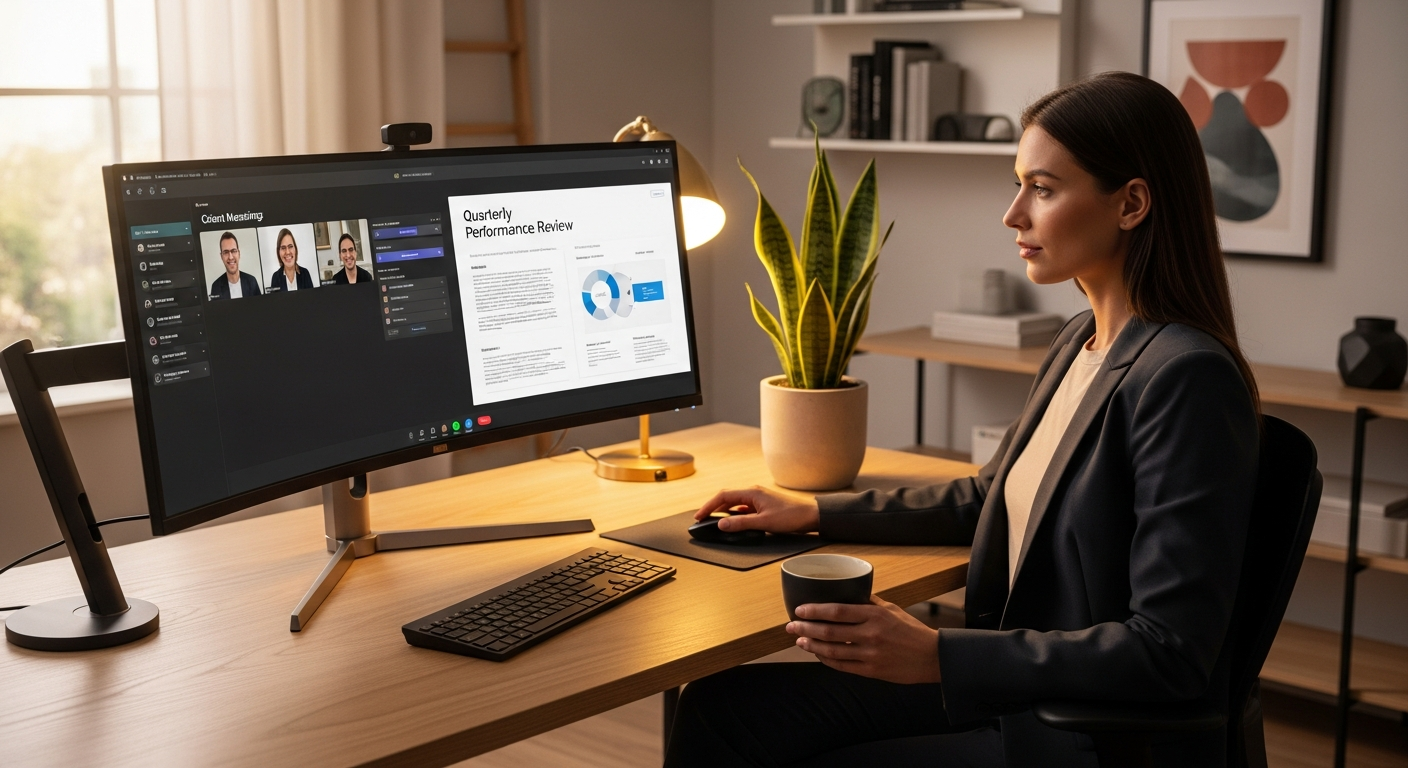
As an operations manager, you know that efficient client interactions directly impact your organization's bottom line. Smooth client meetings drive revenue, cut down on manual follow-up, and build lasting trust. That's why picking the >best video conferencing software for client meetings and presentations< isn't just about choosing a tool; it’s a strategic decision. It automates workflows, ensures professionalism, and secures sensitive client data. This guide cuts through the noise, focusing on efficiency and the critical client experience. It'll help you make an informed choice for 2026 and beyond.
>Quick Comparison Matrix: Client Meeting Software at a Glance<
Before we dive deep, here's a snapshot of our top picks. This table is designed to help operations managers quickly identify solutions that fit their priorities. We've focused on what truly matters for client success and operational efficiency.
| Platform | Best For | Pricing Tiers (Free/Paid) | Max Participants (Paid) | Core Presentation Features | Security (E2E) | CRM Integrations | Custom Branding | Mobile Experience | Accessibility |
|---|---|---|---|---|---|---|---|---|---|
| Google Meet | >Automating Small Client Meetings & Quick Consultations< | Free / From $6/user/month (Business Starter) | 100-500 | Screen share, Whiteboard (Jamboard) | In-transit encryption | Good (Google Workspace) | Limited | Excellent | Captions, Screen reader |
| Zoom Meetings | High-Stakes Presentations & Interactive Workshops | Free / From $15.99/month/host (Pro) | 100-1,000+ | >Advanced Whiteboard, Annotation, Breakout Rooms, Polls< | Optional E2E (paid) | Excellent | Good | Excellent | Captions, Transcripts |
| Cisco Webex Meetings | Premium Experience, Enterprise Security & Branding | Free / From $14.50/month/host (Business) | 100-1,000+ | Presenter View, Whiteboard, Annotations, AI Assistant | Yes | Good | Excellent | Excellent | Captions, Gesture recognition |
| Pumble | >Affordable Solutions for Client Engagement< | Free / From $2.49/user/month (Pro) | 50-500 | Screen sharing, Basic Whiteboard | In-transit encryption | Limited | No | Good | Basic |
Introduction: Why Your Client Meeting Software Matters for Efficiency
Operations leads understand that seamless client interactions drive revenue and reduce manual follow-up. The right video conferencing software isn't just a tool; it's a strategic asset. It automates workflows, ensures professionalism, and secures client data. In an increasingly remote-first world, the platform you choose directly impacts client satisfaction, team productivity, and your organization's reputation. Honestly, a clunky, unreliable, or insecure system can erode trust faster than you can say "can you hear me now?"

This guide cuts through the noise of endless feature lists. Instead, it focuses on efficiency metrics, client experience, and the real-world operational challenges you face. We’re looking beyond basic video calls to solutions that empower your team to deliver impactful presentations, conduct interactive workshops, and maintain the highest standards of data security. My goal is to equip you with the insights needed to select the best video conferencing software for client meetings and presentations that truly aligns with your strategic objectives for 2026.
How We Evaluated the Best Software for Client Success
>When assessing the many video conferencing platforms, our methodology went far beyond a simple checklist of features. We honed in on client-centric criteria crucial for operations efficiency and measurable client success. Here’s how we broke it down:<
- Client Experience (CX): This was paramount. How easy is it for a non-tech-savvy client to join? Is the interface intuitive? Does it require extensive downloads or create friction? A smooth joining process is the first impression, and it sets the tone for the entire meeting.
- Advanced Presentation Tools: For impactful client presentations, basic screen sharing isn't enough. We looked for virtual whiteboards, laser pointers, annotation capabilities, and presenter views that allow your team to engage dynamically.
- Security & Compliance: In an era of increasing data scrutiny, end-to-end encryption, data residency options, and certifications like HIPAA, GDPR, and SOC 2 are non-negotiable for many clients, especially in regulated industries.
- Integration with Client Workflows: Can it connect smoothly with your CRM (e.g., Salesforce, HubSpot), project management tools (e.g., Asana, Jira), or scheduling platforms (e.g., Calendly)? Reducing manual data entry and ensuring data flow is a key operational win.
- Customization & Branding: The ability to brand your meeting interface, waiting rooms, and invitations reflects professionalism. It also reinforces your company's identity, enhancing the perceived value of your services.
- Reliability & Uptime: Critical client meetings can't be derailed by dropped calls or frozen screens. We considered platforms with proven track records of high uptime and stable performance.
- Mobile Experience: Clients are increasingly joining from tablets and smartphones. A robust, feature-rich mobile app is essential for accessibility and convenience.
- Scalability: Does the solution grow with you? Can it handle 5 participants today and 500 for a client webinar tomorrow without a complete overhaul?
- Accessibility: Features like live captions, screen reader compatibility, and keyboard navigation ensure inclusivity for all clients.
- Cost-Benefit Analysis (ROI): We evaluated the pricing tiers against the features offered, considering the return on investment for different operational needs and client engagement models.
Why the Right Choice Depends on YOUR Client Meeting Situation
There's no 'one-size-fits-all' solution when it comes to the best video conferencing software for client meetings and presentations. Your ideal platform hinges entirely on your specific operational needs and the nature of your client interactions. A sales team conducting quick demos has different requirements than a legal firm handling sensitive consultations or a creative agency pitching a multi-million dollar campaign.

Consider these primary use cases:
- Sales Demos & Discovery Calls: Prioritize ease of screen sharing, quick scheduling, and reliable audio/video.
- Project Updates & Team Collaboration with Clients:> Look for integration with project management tools, shared document editing, and clear recording capabilities.<
- Legal Consultations & Financial Advisory: Security, compliance certifications (HIPAA, GDPR), and robust privacy features are paramount.
- Creative Pitches & Design Reviews: Advanced annotation, high-fidelity screen sharing, and virtual whiteboards are key.
- Large-Scale Client Training & Webinars: Focus on scalability, interactive features like polls and Q&A, and detailed analytics.
By identifying your primary use case (or mix of use cases), you can better prioritize the features that will deliver the most operational efficiency and client satisfaction.
Best for Automating Small Client Meetings & Quick Consultations
For solo professionals or small teams with frequent, shorter client interactions—think quick check-ins, initial consultations, or brief support sessions—the emphasis is on ease of use, rapid setup, and budget-friendliness. You need a solution that gets out of the way, allowing you to focus on the client, not the technology. The goal here is to automate the mundane and ensure reliable, clear communication.
Google Meet
Google Meet (part of Google Workspace) is a fantastic option if your team already lives in the Google ecosystem. Its integration with Google Calendar makes scheduling a breeze – a single click generates a meeting link. For operations managers, this means less time spent coordinating and more time on strategic tasks. I've personally used Meet for countless quick client calls; the "join via browser" simplicity is a huge win for clients who don't want to download yet another app. It offers reliable basic features: clear audio/video, simple screen sharing, and a virtual whiteboard (Jamboard) for quick brainstorming.
- Key Features for Small Client Meetings:
- Seamless Google Calendar integration for scheduling.
- Browser-based joining (no downloads required for clients).
- Live captions for accessibility.
- Basic screen sharing and Jamboard whiteboard.
- Pricing: Free for up to 1 hour, 100 participants. Paid plans start at $6/user/month (Business Starter) for longer meetings and more features.
- Why it wins: Its sheer simplicity and integration with a widely used ecosystem make it incredibly efficient for high-volume, low-friction client interactions.
Zoho Meeting
Zoho Meeting is another strong contender, especially if your operations use other Zoho products (CRM, Projects). It's designed for quick, professional meetings and webinars, offering a clean interface and solid scheduling features. For small teams, its affordability combined with essential client-facing tools provides excellent value.
- Key Features for Small Client Meetings:
- One-click meeting setup and customizable registration forms.
- Screen sharing, remote control, and a digital whiteboard.
- Integration with Zoho CRM for streamlined client data.
- Meeting recording and storage.
- Pricing: Free for up to 60 minutes, 2 participants. Paid meeting plans start around $3/host/month (billed annually) for up to 10 participants.
- Why it wins: Great value, clean interface, and strong integration potential if you're already in the Zoho ecosystem.
Best for High-Stakes Client Presentations & Interactive Workshops
When the stakes are high—think critical sales pitches, complex project kick-offs, or interactive client workshops—you need a platform that delivers solid features, unwavering reliability, and strong security for sensitive IP. Operations leads managing these types of engagements prioritize tools that enhance interaction and leave a lasting professional impression.
Amazon — Check price on Amazon

Zoom Meetings
Zoom has become synonymous with video conferencing, and for good reason. For high-stakes client presentations, its feature set is incredibly rich. I’ve personally used Zoom for numerous client workshops involving dozens of participants, leveraging its breakout rooms for small-group discussions and polls for real-time feedback. The advanced whiteboard (now with AI features) and annotation tools are invaluable for creative pitches or technical deep dives. Its reliability, even under heavy load, is a major asset when critical moments demand flawless execution.
- Key Features for High-Stakes Presentations:
- Advanced Whiteboard & Annotation: Collaborative whiteboarding, easy annotation on shared screens.
- Breakout Rooms: Essential for interactive workshops, allowing clients to discuss in smaller groups.
- Polls & Q&A: Gauge client understanding and facilitate engagement.
- Presenter View: (Often combined with external tools) allows presenters to see notes while clients see slides.
- Solid Recording & Transcription: Crucial for post-meeting follow-up and compliance.
- Virtual Backgrounds & Touch-Up My Appearance: Professional polish for your team.
- Security: Offers optional end-to-end encryption for paid accounts, meeting passcodes, and waiting rooms.
- Pricing: Free for up to 40 minutes, 100 participants. Pro plans start at $15.99/month/host (billed annually).
- Why it wins: Unmatched feature depth for interactivity, high reliability, and broad client familiarity, minimizing friction.
GoTo Meeting
GoTo Meeting (part of GoTo) has been a long-standing player in the professional meeting space. It's known for its stability and user-friendly interface. It excels in delivering professional presentations and offers solid features for interactive sessions. For operations managers needing a dependable solution with strong administrative controls, GoTo Meeting is a solid choice.
- Key Features for High-Stakes Presentations:
- Seamless Screen Sharing: High-quality sharing of applications, documents, or your entire screen.
- Drawing Tools & Laser Pointer: Emphasize key points during presentations.
- Integrated Audio: VoIP and phone call options for maximum flexibility.
- Meeting Lock & Passcodes: Enhanced security for sensitive client discussions.
- Detailed Analytics: Understand attendance and engagement for follow-up.
- Security: Strong encryption, meeting lock, and enterprise-grade security features.
- Pricing: Starts at $12/organizer/month (billed annually) for up to 150 participants.
- Why it wins: Proven reliability, professional presentation tools, and solid administrative features make it ideal for structured, high-value client engagements.
Best Premium Option: When Client Experience & Security Are Paramount
For businesses where brand reputation, advanced security, deep customization, and an absolutely seamless client experience justify a higher investment, premium options are essential. This isn't just about features; it's about delivering an executive-level experience that reinforces your brand's commitment to excellence and client trust. The ROI here comes from client retention, enhanced reputation, and mitigated risk.
FlexiSpot — See FlexiSpot standing desks
Cisco Webex Meetings
Cisco Webex is a powerhouse for enterprise-grade client meetings, especially for organizations with stringent security and compliance requirements. Their commitment to security is evident with end-to-end encryption, data residency options, and certifications like HIPAA, GDPR, and SOC 2. For operations managers, this means peace of mind when handling highly sensitive client information. The customization options, from branded waiting rooms to custom backgrounds, elevate the professional image of your meetings. I recently helped a financial services client implement Webex for their client consultations, and the ease of branding their virtual environment was a significant factor in their decision.
- Key Features for Premium Client Experience & Security:
- Enterprise-Grade Security: End-to-end encryption, advanced threat protection, data residency.
- Compliance Certifications: HIPAA, GDPR, SOC 2, and more.
- Branded Waiting Rooms & Custom Backgrounds: Fully brand the client experience.
- Advanced AI Assistant: Real-time transcription, summaries, and action item generation.
- Presenter View & Advanced Annotation: Sophisticated tools for dynamic presentations.
- Dedicated Customer Support: Enterprise-level support for critical issues.
- Pricing: Free for up to 50 minutes, 100 participants. Paid plans start around $14.50/month/host (Business plan) with higher tiers for enterprise features and customization.
- Why it wins: Unrivaled security and compliance, deep branding capabilities, and advanced AI features for a truly premium client experience.
Microsoft Teams (Enterprise)
If your organization is heavily invested in the Microsoft 365 ecosystem, Microsoft Teams Enterprise offers a compelling premium solution. It's more than just a video conferencing tool; it's a complete collaboration hub. For operations, the tight integration with Outlook, SharePoint, and other Microsoft applications streamlines workflows. It reduces context switching, and centralizes client-related documentation. The enterprise-level security and compliance features are solid, meeting the needs of large organizations and regulated industries.
- Key Features for Premium Client Experience & Security:
- Deep Microsoft 365 Integration: Seamless access to files, calendars, and contacts.
- Enterprise-Grade Security & Compliance: Advanced data loss prevention, eDiscovery, and extensive compliance certifications.
- Custom Backgrounds & Together Mode: Enhance engagement and professionalism.
- Live Transcription & Translation: Broaden accessibility and understanding for diverse client bases.
- Advanced Analytics & Reporting: Monitor meeting performance and user engagement.
- Customizable Templates: Standardize meeting setups for different client types.
- Pricing: Included with various Microsoft 365 Business and Enterprise plans (e.g., Microsoft 365 Business Standard from $12.50/user/month, Enterprise E3 from $36/user/month).
- Why it wins: Unparalleled integration within the Microsoft ecosystem, solid enterprise security, and a comprehensive suite of collaboration tools for a unified client workflow.
Best on a Budget: Affordable Solutions for Client Engagement
Startups, small businesses, or teams scaling their client outreach often need to maximize value without compromising essential client-facing features. The goal here is to find platforms that offer excellent core functionality for professional interactions at a fraction of the cost. These often provide generous free tiers or highly competitive paid plans.
Amazon Associates — Check price on Amazon
Pumble
Pumble is an emerging player that offers a surprisingly robust free tier and very affordable paid plans. This makes it an excellent choice for budget-conscious operations. While primarily known as a team communication tool, its video conferencing capabilities are perfectly adequate for professional client meetings. It focuses on simplicity and efficiency, ensuring clients can join easily without unnecessary hurdles.
- Key Features for Budget-Friendly Client Engagement:
- Generous Free Tier: Unlimited users, 10GB storage, 1-on-1 video calls.
- Affordable Paid Plans: Access to group video calls, screen sharing, and more storage.
- Clear Audio/Video: Reliable for essential communication.
- Simple Screen Sharing: Present documents or applications easily.
- Pricing: Free for unlimited users, 1:1 video. Pro plan starts at $2.49/user/month (billed annually) for group video calls (up to 50 participants).
- Why it wins: Exceptional value for essential video conferencing, especially for small teams or those already using Pumble for internal comms.
Jitsi Meet (for self-hosting)
For organizations with technical expertise and a strong desire for ultimate control over their data, Jitsi Meet is an open-source, completely free option that can be self-hosted. While this requires an initial setup effort (which an operations manager might delegate to IT), it eliminates ongoing subscription costs and offers unparalleled privacy. It’s also available as a free, web-based service for quick, ad-hoc meetings. Honestly, I'd skip this if you don't have dedicated IT staff for maintenance.
- Key Features for Budget-Friendly Client Engagement:
- Completely Free & Open Source: No licensing fees.
- No Account Required: Clients can join with just a link.
- End-to-End Encryption: Available for 1:1 calls, and can be configured for group calls when self-hosted.
- Screen Sharing & Integrated Chat: Essential meeting tools.
- Live Streaming & Recording: (When self-hosted/configured).
- Pricing: Free. Self-hosting incurs server costs but no software fees.
- Why it wins: Ultimate cost control and privacy for those willing to manage their own instance, or a great free web-based option for quick, informal client calls.
Client Meeting Checklist: Maximizing Your Software's Potential
Choosing the best video conferencing software for client meetings and presentations is only half the battle. As an operations lead, implementing best practices ensures your team uses the chosen platform for optimal client outcomes. This isn't just about technology; it's about process improvement.
1. Pre-Meeting Setup (Automating the Foundation)
- Branded Invites & Reminders: Use your software's branding features for meeting invites. Integrate with your CRM to automate personalized reminders.
- Clear Agenda Sharing: Attach the meeting agenda directly to the calendar invite or within the meeting platform. Tools like Google Meet or Teams allow for document sharing prior to the call.
- Tech Checks (Internal): Mandate a quick audio/video check for your team 5-10 minutes before the client joins. This reduces "can you hear me?" friction.
- Pre-Load Materials: If using advanced presentation features, ensure all documents, whiteboards, and polls are pre-loaded and ready to go.
- Set Up Waiting Rooms: Utilize waiting rooms for security and to allow your team a moment to prepare before admitting the client.
2. In-Meeting Engagement (Optimizing Interaction)
- Utilize Interactive Features: Don't just talk *at* clients. Use polls for quick feedback, Q&A for addressing concerns, and breakout rooms for collaborative problem-solving (especially in workshops).
- Dynamic Presentation Tools: Employ the virtual whiteboard for brainstorming, the laser pointer for emphasis, and annotation tools for collaborative document review.
- Assign Roles: For complex meetings, designate a facilitator, a note-taker, and a technical support person (even if it's just someone monitoring chat).
- Maintain Professionalism: Encourage team members to use branded virtual backgrounds, ensure good lighting, and minimize distractions.
3. Post-Meeting Follow-up (Ensuring Continuity)
- Recording Distribution: Securely share meeting recordings (if applicable and consented) with clients promptly. Ensure your platform allows for easy, permission-based sharing.
- Action Item Tracking: Leverage AI-powered transcription services (available in Webex, Teams, Zoom) to quickly identify action items and assign owners. Integrate these directly into your project management tools.
- Feedback Surveys: For critical engagements, use built-in survey features or integrate with tools like SurveyMonkey to gather client feedback on the meeting experience.
- CRM Updates: Automate or streamline the process of updating client interaction logs in your CRM immediately after the meeting.
Future-Proofing Your Client Meetings: Trends for 2026 and Beyond
The landscape of remote work and client engagement is constantly evolving. As operations managers, staying ahead of these trends is crucial for maintaining efficiency and competitive advantage.
- AI-Powered Transcription & Summarization: This is already here but will become more sophisticated. Expect AI to not only transcribe but also intelligently summarize key decisions, identify action items, and even draft follow-up emails. For example, Zoom's new AI companion can summarize a 60-minute meeting into 3 key bullet points in under a minute.
- VR/AR Integrations: While still nascent for mainstream client meetings, expect immersive environments to become more common for highly specialized design reviews, virtual product showrooms, or collaborative training simulations. Think architects walking clients through a virtual building design.
- Enhanced Security Protocols: As cyber threats evolve, so too will meeting security. Expect more robust authentication methods, deeper encryption, and more granular data residency controls. For instance, new EU regulations might mandate data storage on local servers, a feature some platforms already offer.
- >Deeper CRM/Workflow Automation:< The seamless flow of data between your video conferencing platform, CRM, and project management tools will become even more critical, reducing manual data entry to near zero. Imagine a meeting automatically updating a Salesforce opportunity with new action items and contact notes.
- Personalized & Adaptive Experiences: Platforms will increasingly use AI to tailor the meeting experience, suggesting optimal layouts, providing real-time insights on client engagement, and even adapting presentation flows based on audience reactions.
How should ops leads prepare? Invest in platforms that demonstrate a clear roadmap for these advancements. Prioritize flexibility and integration capabilities. And most importantly, foster a culture of continuous learning within your team to adapt to new tools and methodologies.
FAQs: Your Top Questions About Client Meeting Software Answered
How important is end-to-end encryption for client meetings?
Extremely important, especially if you're discussing sensitive financial data, legal matters, intellectual property, or personal health information. End-to-end encryption (E2EE) ensures that only the sender and intended recipient can read the messages or hear the conversation. While many platforms offer in-transit encryption, true E2EE provides the highest level of security. For operations managers in regulated industries, it's often a non-negotiable compliance requirement.
Can I brand my video conferencing interface for clients?
Yes, many premium platforms like Cisco Webex and Microsoft Teams (Enterprise tiers) offer extensive branding options. This can include custom logos on waiting room screens, branded meeting invitations, and even custom virtual backgrounds that showcase your company's identity. This enhances professionalism and reinforces your brand image, contributing to a more cohesive client experience.
What are the best features for interactive client presentations?
For truly interactive presentations, look beyond basic screen sharing. Key features include: virtual whiteboards (for collaborative brainstorming), annotation tools (to highlight specific points on shared documents), polls (for quick feedback), Q&A modules (to manage questions efficiently), and breakout rooms (for small group discussions during workshops). A presenter view can also be invaluable for your team to manage notes privately while presenting.
How do I ensure clients have a smooth joining experience?
Simplicity is key. Choose platforms that offer browser-based joining (no downloads required) or have widely adopted, stable desktop/mobile apps. Always include clear, step-by-step instructions in your meeting invitations. Test the link yourself before sending it. For important meetings, consider offering a quick "tech check" call beforehand, especially for less tech-savvy clients. And always have a backup plan (e.g., a phone number to call) if video fails.
What integrations are crucial for client workflow automation?
For operations efficiency, look for integrations with your:
- CRM (e.g., Salesforce, HubSpot): To log meeting details, track interactions, and automate follow-ups.
- Scheduling Tools (e.g., Calendly, Acuity Scheduling): To streamline booking and automatically generate meeting links.
- Project Management Software (e.g., Asana, Jira): To turn meeting action items into tasks.
- Document Management Systems (e.g., SharePoint, Google Drive): For easy sharing and collaborative editing of client-facing documents.
Is a free plan ever sufficient for professional client meetings?
For very small teams or solo professionals with infrequent, short, and informal client interactions, a free plan (like Google Meet's or Zoom's basic tier) can be sufficient. However, for most professional client meetings—especially those involving sensitive information, complex presentations, or a need for advanced features like branding, extensive recording, or compliance—a paid plan is almost always necessary. Free plans typically have limitations on meeting duration, participant numbers, security features, and support that can quickly become an operational bottleneck or a professional liability.
Conclusion: Streamline Client Interactions, Boost Your Bottom Line
Selecting the right video conferencing software for client meetings and presentations is far more than a technical decision; it's an operational imperative. It directly impacts client satisfaction, team efficiency, and ultimately, your organization's profitability. By investing in a platform that aligns with your specific client engagement models and operational goals, you empower your team to deliver exceptional experiences, secure sensitive data, and streamline critical workflows.
Remember, the best tool is the one that best serves your clients and your team's productivity. Evaluate based on real-world use cases, prioritize features that reduce friction, and always consider the long-term ROI. By making an informed choice, you're not just buying software; you're investing in stronger client relationships and a more efficient, future-ready operation. For more insights on optimizing your remote work setup, check out our comprehensive guide on remote-work-tools.