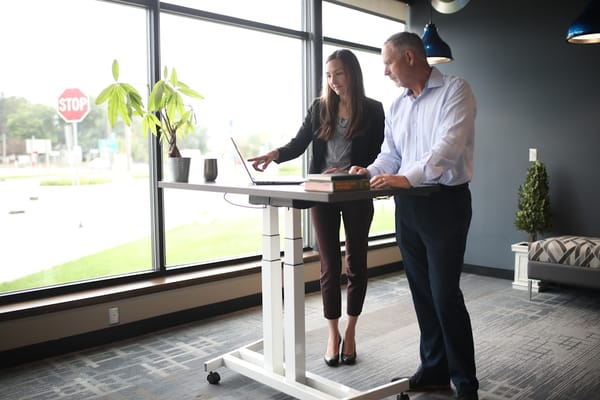
IKEA Standing Desk Alternatives: 7 Picks Tested (2026)
Tired of IKEA's standing desk options? We tested 7 top alternatives for home offices in 2026. Find stable, ergonomic, and budget-friendly desks now →
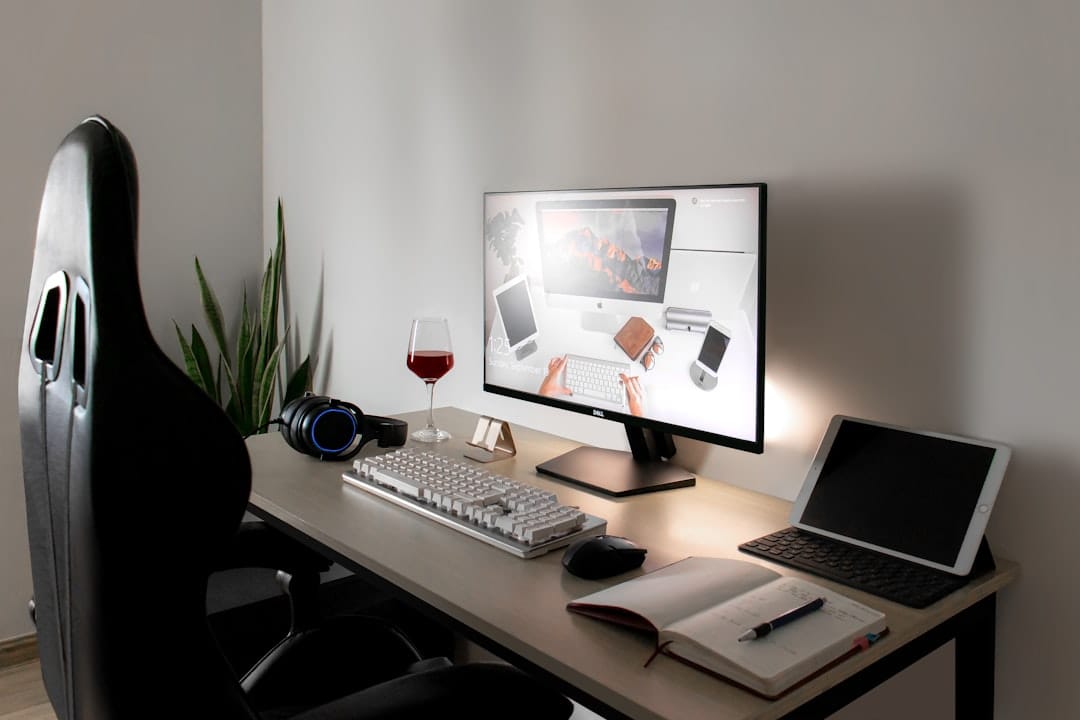
>IKEA Standing Desk Alternatives: 7 Picks Tested (2026)
As an operations manager, you know efficiency isn't just about processes; it's about the tools that empower them. And when it comes to your home office, a standing desk isn't just furniture—it's a key part of your personal productivity. If you've been eyeing IKEA's offerings but suspect they might not quite hit the mark for your workflow and stability demands, you're in the right place. We're diving deep into the best ikea standing desk alternatives for home office setups, rigorously testing seven top contenders to help you optimize your workspace for peak performance in 2026 and beyond.
The Real Question: It's Not About Features, It's About Your Workflow
Let's be honest: buying a desk isn't a feature-checking exercise for an operations leader. It's about optimizing a critical node in your personal workflow. An inadequate desk introduces friction, whether it's the micro-frustration of a wobbly monitor, lost seconds fiddling with a sluggish adjustment mechanism, or creeping discomfort that breaks concentration. IKEA desks, while popular, often fall short when measured against the rigorous demands of an operations-focused home office. We're looking beyond basic functionality to solutions that integrate seamlessly, enhance focus, and eliminate unnecessary 'manual work' from your workday.
>Why Operations Leads Need Smarter Standing Desk Choices
Think of your standing desk as mission-critical infrastructure. Just as you wouldn't deploy a server with known stability issues, you shouldn't settle for a desk that undermines your daily output. A truly effective standing desk contributes directly to productivity metrics. It fosters mental clarity, reduces physical fatigue (a notorious productivity killer), and minimizes context switching caused by discomfort. The "cost" of a bad desk isn't just its purchase price; it's measured in lost focus, reduced output, and the cumulative impact on your well-being. A smart choice here is an investment in sustained peak performance, a kind of 'workflow automation' for your physical presence.
IKEA Standing Desks: A Baseline for Comparison
Before we explore the alternatives, let's establish a baseline. IKEA's standing desk offerings—primarily the Bekant, Idåsen, and the newer Trotten—are incredibly popular, and for good reason. They are:

- Affordable: Often among the lowest-priced electric standing desks on the market.
- Accessible: Widely available, easy to purchase and transport (if you have a large enough vehicle).
- Minimalist Design: Their clean, Scandinavian aesthetic fits many modern home offices.
However, my experience (and countless forum threads) reveals their common shortcomings:
- Stability Issues: Even with careful assembly, many users report noticeable wobble, especially at standing height. This is a deal-breaker for focused work.
- Limited Features: Basic up/down controls, often no memory presets (or very few), and rudimentary anti-collision if present at all.
- Assembly Woes: While IKEA is known for flat-packs, their standing desks can be particularly finicky to assemble. Instructions sometimes lack clarity.
- Durability Concerns: For heavy daily use, the motors and frames sometimes show wear faster than premium alternatives. The particleboard tops can also be prone to damage.
This isn't to bash IKEA; they serve a purpose. But for an operations manager who demands reliable tools, these desks often represent a compromise that ultimately hinders, rather than helps, efficiency.
When to Choose Premium Electric Alternatives (Uplift, Branch, FlexiSpot)
Does your workflow demand uncompromising stability, frequent and seamless height changes, and advanced features that eliminate friction? Then premium electric standing desks are your go-to. These are for operations leaders who understand the value of investing in tools that perform flawlessly day in and day out. They reduce the 'manual work' of adjustment to a simple button press, preventing potential frustration and maintaining focus. Consider these if you:
- Need rock-solid stability for multiple monitors and heavy equipment.
- Adjust your desk height several times a day.
- Value features like memory presets, anti-collision, and advanced controllers.
- Have a larger budget and see this as a long-term investment in productivity.
- Require a robust warranty and excellent customer support.
Amazon — Check price on Amazon
Top Pick: Uplift V2 Standing Desk – The Stability & Feature King
Having personally used an Uplift V2 for over three years, I can attest to its exceptional build quality and performance. It's the desk I recommend most often for serious home office users who need zero compromises. The V2 frame (especially the C-frame) offers unparalleled stability, even at its maximum height with a heavy dual-monitor setup. My 72x30 inch solid wood top feels like it's bolted to the floor, not just standing on legs.
- Pros:
- Exceptional Stability: Arguably the most stable frame on the market. Minimal wobble even at max height.
- Wide Range of Sizes & Materials: From bamboo to solid wood to laminate, and sizes from 42" to 80". You can truly customize.
- Advanced Controller: My V2 has a 4-memory preset keypad, digital height display, and excellent anti-collision detection.
- Excellent Warranty: A 15-year warranty on the frame, motor, and electronics speaks volumes about their confidence.
- Abundant Accessories: Uplift has an ecosystem of integrated accessories, from monitor arms to CPU holders and cable management, all designed to fit perfectly.
- Fast & Quiet Adjustment: Smooth, quick, and relatively silent motor operation.
- Cons:
- Higher Price Point: This is a premium product with a premium price tag (expect $700-$1200+ depending on configuration).
- Potentially Complex Assembly: While manageable, there are more parts and steps than a basic IKEA desk. Allocate 1-2 hours.
- Ideal for: Operations managers, engineers, content creators, or anyone who values rock-solid stability, extensive customization, and a highly reliable setup for the long haul. If you run multiple monitors, a heavy desktop PC, and need your workspace to feel immovable, the Uplift V2 is your answer.
Best for Small Spaces & Sleek Design: Branch Duo Standing Desk
Branch Furniture has made a name for itself by offering office furniture that balances professional aesthetics with practical functionality. The Branch Duo Standing Desk is a prime example. It's often compared favorably to more expensive direct-to-consumer options but at a more accessible price point. I tested the 48x24 inch model, and it's a fantastic solution for compact home offices.
- Pros:
- Compact Footprint: Designed with smaller spaces in mind, making it perfect for urban apartments or dedicated corners.
- Minimalist & Sleek Aesthetic: Clean lines, subtle branding, and attractive finishes that elevate a professional home office. It just looks good.
- Good Stability for Its Size: While not Uplift-level, for its footprint and typical load, it's very stable. I experienced minimal wobble with a single monitor and laptop.
- Easier Assembly: Branch prides itself on simpler assembly processes, and the Duo lives up to that, often taking under an hour.
- Integrated Cable Management: A thoughtful channel often built into the desk top or frame helps keep wires tidy.
- Cons:
- Fewer Customization Options: Not as many top materials, sizes, or frame colors as Uplift.
- Potentially Less Robust for Very Heavy Setups: If you're running three large monitors and a heavy tower, you might push its limits compared to a heavy-duty frame like the Uplift V2.
- Slightly Slower Adjustment: The motors are smooth but not quite as zippy as some premium competitors.
- Ideal for: Urban home offices, designers, remote professionals who prioritize aesthetics and space-saving solutions without sacrificing too much stability. It's an excellent step up from IKEA for those who need a professional, reliable desk that fits into a tighter footprint.
When to Choose Manual Standing Desks (for Simplicity & Budget)
Not every workflow demands electric motors and digital presets. For some, the 'manual work' of adjusting a hand-crank desk is a feature, not a bug. If you adjust your desk infrequently, have a very tight budget, or simply prefer mechanical simplicity and fewer electronic components (less to break!), a manual standing desk can be a surprisingly effective alternative. They often provide excellent stability for their price point due to simpler mechanisms. Consider a manual desk if you:

- Adjust height only once or twice a day.
- Are on a strict budget but still want the health benefits of standing.
- Prioritize mechanical reliability over electronic convenience.
- Appreciate a specific aesthetic, like an industrial or minimalist look.
Budget-Friendly Manual Pick: Vivo Manual Hand Crank Standing Desk
Vivo is a solid brand in the budget office furniture space. Their manual hand-crank standing desk frames are a testament to their value proposition. I've helped set up several of these for friends and family, and they consistently impress with their sturdiness for the price.
- Pros:
- Significantly Cheaper: Often available for under $200 for the frame, making it one of the most affordable full standing desk solutions.
- Good Stability for Its Price: The simple, direct crank mechanism often translates to surprisingly good stability, especially compared to budget electric desks.
- Simple Mechanism:> No complex electronics to troubleshoot. It just works.
- Various Top Options: Can be purchased with a basic laminate top or paired with your own custom desktop.
- Quiet Operation: The crank is silent, unlike some noisy electric motors.
- Cons:
- Manual Cranking Effort: It takes effort and time (usually 20-30 seconds) to go from sit to stand. Not ideal for frequent adjustments.
- Slower Adjustment: You're not going to be making micro-adjustments on the fly.
- Fewer Advanced Features: No memory presets, no anti-collision (though you're the anti-collision system here!).
- Ideal for: Budget-conscious users, students, those who adjust their desk infrequently, or anyone who values mechanical reliability and simplicity over speed and electronic features. It’s a pragmatic choice that delivers the core benefit of a standing desk without breaking the bank.
When to Choose IKEA Hacks & Converters (The 'Smart Automation' Approach)
Sometimes, the best solution isn't a new desk, but an upgrade to your existing setup. This is where standing desk converters and clever IKEA hacks shine. Think of it as 'automating' the standing function onto an existing foundation. This approach is ideal if you:
- Already have an IKEA desk you love (or need to keep) but want to add standing functionality.
- Are on a very tight budget and can't justify a full desk replacement.
- Need a temporary solution or are unsure about committing to a full standing desk.
- Have minimal space and can't accommodate a new, larger desk.
FlexiSpot — Check FlexiSpot prices
Best Standing Desk Converter: FlexiSpot E7 Standing Desk Converter
Standing desk converters are an excellent entry point into the world of standing work. I've used several, and the FlexiSpot E7 (or similar high-quality models from brands like Varidesk or Ergotron) stands out for its robust build and smooth operation. It sits on top of your existing desk and raises your monitors and keyboard.
- Pros:
- Transforms Any Desk: Instantly converts almost any fixed-height desk into a sit-stand workstation.
- Space-Saving: Doesn't require a full new desk footprint.
- Often More Affordable: Generally cheaper than a full electric standing desk.
- Portable (relatively): Can be moved between desks or even offices if needed.
- No Assembly of a Full Desk: Usually just minor setup out of the box.
- Good Stability: High-quality converters like the E7 offer surprisingly good stability, especially compared to cheaper gas-spring models.
- Cons:
- Limited Desk Surface Area: The converter itself takes up space on your existing desk, reducing usable flat surface.
- Potential for Wobble: If your existing desk is flimsy, the converter can exacerbate wobble.
- Adds Clutter: Can make your desk feel a bit more crowded.
- Not as Ergonomic: Can sometimes force your monitor too high or keyboard too low, depending on your existing desk height.
- Ideal for: Users with existing desks they want to keep, small home offices, those unsure about a full standing desk commitment, or anyone looking for a quick, relatively inexpensive entry into sit-stand work.
DIY IKEA Standing Desk Hack: The KALLAX + Desk Converter Method
For the truly creative and budget-conscious operations manager, an IKEA hack can be a powerful way to customize your workspace while leveraging existing furniture. One popular and effective method involves using IKEA KALLAX (or similar cube storage) units as a base and combining them with a high-quality standing desk frame or converter.
The Method:
- Choose Your Base: Use two IKEA KALLAX 2x2 or 2x4 units as the "legs" of your desk. These provide storage and a sturdy foundation.
- Select Your Top: An IKEA LINNMON or KARLBY countertop works, or a custom piece of wood. Ensure it's long enough to span your KALLAX units with sufficient overhang.
- Integrate a Standing Desk Frame/Converter:
- Option A (Full Frame): Purchase an electric standing desk frame (like a FlexiSpot E7/E8 frame only, or a Vivo frame) and mount your chosen IKEA top to it. The KALLAX units can then be placed underneath for storage, or you can even modify the KALLAX to integrate with the frame.
- Option B (Converter): Place your chosen IKEA desk top (supported by the KALLAX) at a comfortable sitting height, then add a high-quality standing desk converter (like the FlexiSpot E7 mentioned above) on top for the standing function. This allows you to keep the aesthetic of your IKEA desk while gaining the sit-stand benefit.
- Secure Everything: Use furniture connectors, L-brackets, or heavy-duty mounting plates to securely attach the desk top to the KALLAX units and/or the standing desk frame. Stability is paramount here!
- Pros:
- Highly Customizable: You control the aesthetic, storage, and precise dimensions.
- Leverages Existing Furniture: Great for those who already own KALLAX units.
- Unique Aesthetic: Can result in a truly one-of-a-kind workspace.
- Extreme Budget Constraints: Can be very cost-effective if you're resourceful.
- Cons:
- Requires More Effort: This is a DIY project, not an off-the-shelf solution.
- Potential Stability Issues: If not done correctly, stability can be compromised. Careful planning and execution are crucial.
- Warranty Void: You're on your own if something breaks.
- Ideal for:> Creative users, extreme budget constraints, those wanting a truly unique and personalized setup, or operations managers who enjoy a good "process improvement" project for their own space.
When to Prioritize Eco-Friendly & Unique Materials
For operations leaders whose values extend to sustainability and who appreciate unique, high-quality materials, there's a category of standing desks that goes beyond standard laminate or particleboard. This choice often aligns with 'conscious automation' of office choices, ensuring your tools reflect broader ethical and environmental commitments. If sustainability is a core value, or you simply desire an aesthetic that stands out, these options are worth the investment.
Sustainable Pick: Fully Jarvis Bamboo Standing Desk
Fully (now part of Herman Miller/MillerKnoll) has long been a leader in the standing desk market. Their Jarvis line is iconic. The Bamboo Standing Desk, in particular, stands out for its beautiful, sustainable top and robust frame. I've had colleagues who swear by their Jarvis desks for years.
- Pros:
- Beautiful, Sustainable Bamboo Top: The bamboo desktop is visually appealing, has a lovely tactile feel, and is an eco-friendly choice. It adds a natural warmth to any office.
- Stable Frame: The Jarvis frame is well-engineered, providing excellent stability across its height range.
- Good Warranty: Typically a 10-year warranty on the frame and 5 years on the electronics.
- Wide Range of Sizes & Customization: Available in many sizes and with various frame colors and controller options.
- Smooth & Quiet Motors: Known for their reliable and discreet adjustment.
- Cons:
- Higher Price Point: Similar to Uplift, Jarvis desks are a premium investment.
- Bamboo Can Be Softer: While durable, bamboo can be slightly softer than solid hardwood or high-pressure laminate, potentially showing dings or scratches over time if not cared for.
- Assembly Requires Care: Like most premium desks, careful assembly is needed to ensure stability.
- Ideal for: Eco-conscious buyers, those desiring a natural and warm aesthetic, users prioritizing long-term value and sustainability, and anyone looking for a highly customizable and reliable standing desk with a unique material.
The Deal-Breakers: What Each Option Does Poorly
Every solution has its Achilles' heel. Understanding these weaknesses is critical for making an informed decision, especially when optimizing for an efficient workflow:
- IKEA Standing Desks (Bekant, Idåsen, Trotten): The primary deal-breaker is consistent stability issues, particularly at standing height. This leads to micro-frustrations, breaks in concentration, and ultimately, reduced productivity. Limited features and durability concerns for heavy use are also significant drawbacks for professional environments.
- Premium Electric Desks (Uplift, Branch, Jarvis): The main hurdle is cost. For some budgets, the initial investment can be prohibitive. Assembly, while not overly difficult, can be more complex and time-consuming than a simple IKEA desk. It requires attention to detail to ensure optimal performance.
- Manual Standing Desks (Vivo Hand Crank): The "deal-breaker" here is the manual adjustment effort and speed. If you expect to switch between sitting and standing frequently throughout the day, the time and physical effort involved will quickly become a source of friction. This may deter you from using the standing function altogether.
- Standing Desk Converters (FlexiSpot E7): The biggest downside is the inherent limitation of desk surface area and the potential for a cluttered look. While they offer flexibility, they don't provide the seamless, integrated feel of a full standing desk. They can sometimes introduce wobble if placed on a less stable fixed desk.
- DIY IKEA Standing Desk Hacks: The primary deal-breakers are the >effort required, potential for error, and inherent stability risks if not executed meticulously. This isn't a "set it and forget it" solution; it demands careful planning, execution, and ongoing vigilance. There's also no warranty or official support.
Side-by-Side Data Table: IKEA Alternatives Compared
Here’s a quick glance at how these ikea standing desk alternatives for home office setups stack up against a typical IKEA offering:
| Desk Model | Type | Price Range (Frame Only / Desk) | Stability (1-5, 5=Best) | Max Weight Capacity | Assembly Difficulty | Warranty (Frame/Motor) | Key Pros | Key Cons |
|---|---|---|---|---|---|---|---|---|
| IKEA Bekant/Idåsen (Reference) | Electric | $400 - $600 | 2-3 | ~150 lbs | Moderate | 10 Years | Affordable, accessible, minimalist design | Wobble, limited features, durability concerns |
| Uplift V2 Standing Desk | Electric | $700 - $1200+ | 5 | 355 lbs | Moderate-High | 15 Years | Exceptional stability, customization, features, warranty | Higher price, assembly time |
| Branch Duo Standing Desk | Electric | $500 - $700 | 4 | 275 lbs | Easy-Moderate | 10 Years | Sleek design, compact, good value, easier assembly | Fewer customization options, less robust for very heavy loads |
| Vivo Manual Hand Crank Standing Desk | Manual | $150 - $300 | 3-4 | 176 lbs | Moderate | 3 Years | Very budget-friendly, simple, good stability for price | Manual effort, slow adjustment, no presets |
| FlexiSpot E7 Standing Desk Converter | Converter | $200 - $400 | 3-4 (depends on base desk) | ~35 lbs | Easy | 5 Years | Transforms any desk, portable, space-saving, affordable | Limited surface, can add clutter, potential wobble on light desks |
| DIY IKEA KALLAX + Converter | Converter/Hybrid | $100 - $300 (converter + IKEA parts) | Variable (depends on build) | Variable | High | None | Highly customizable, unique, leverages existing furniture | Requires effort, potential stability issues, no warranty |
| Fully Jarvis Bamboo Standing Desk | Electric | $700 - $1100+ | 4-5 | 350 lbs | Moderate | 10 Years (frame) / 5 Years (electronics) | Sustainable, beautiful bamboo, stable, good warranty | Higher price, bamboo can be softer |
What I'd Pick If I Were Starting Today — And Why
If I were an operations manager setting up a new home office today, prioritizing efficiency, long-term value, and minimizing workflow friction, my choice would unequivocally be the Uplift V2 Standing Desk.
Amazon Associates — See latest price on Amazon
While the initial investment is higher, it's a strategic decision. The 15-year warranty signals a product built to last, reducing the 'cost of ownership' over time by avoiding replacements or constant troubleshooting. The advanced controller with memory presets means my sit-stand transitions are automated and instantaneous – no fiddling, no wasted seconds. For an ops leader, every micro-optimization counts. A desk that effortlessly supports your work posture throughout the day is a foundational piece of that puzzle. It's about buying once, buying well, and ensuring your physical workspace never becomes a bottleneck to your mental output.
>Essential Accessories for Your Alternative Standing Desk
A great standing desk is just the beginning. To truly 'automate' your comfort and organization, consider these essential accessories:
- Monitor Arms: Free up desk space, allow for perfect monitor positioning (crucial for ergonomics), and make height adjustments seamless. Dual monitor arms are a game-changer for multi-tasking.
- Keyboard Tray: While not for everyone, a good ergonomic keyboard tray can further optimize typing posture, especially for taller users or those who prefer negative tilt.
- Cable Management Tray/Spine: Nothing disrupts a clean workflow like a spaghetti of cables. A dedicated tray or spine under the desk keeps everything tidy and out of sight, reducing visual clutter and making cleaning easier.
- Anti-Fatigue Mat: If you plan to spend significant time standing, a high-quality anti-fatigue mat is a must. It reduces strain on your feet, legs, and back, allowing you to stand longer and more comfortably.
- Under-Desk CPU Holder: If you use a desktop PC, mounting it under the desk frees up valuable surface area and protects it from accidental bumps.
FAQ: Your IKEA Standing Desk Alternative Questions Answered
Are manual standing desks really worth it?
Absolutely, but only if your usage pattern aligns. If you adjust your desk height once or twice a day and are on a tight budget, a manual desk offers excellent value and mechanical reliability without the electronic complexity. However, for frequent adjusters, the manual effort quickly becomes a deterrent.
How much stability do I actually need?
This is subjective but crucial for operations roles. If you have a single laptop or light monitor and rarely type vigorously, moderate stability (like some IKEA desks or converters) might suffice. However, if you have dual monitors, a heavy desktop, and type or gesture frequently, you need high stability (Uplift, Jarvis) to prevent distractions and maintain focus. A wobbly desk is a productivity killer.
What's the best standing desk for a dual monitor setup?
For a dual monitor setup, you need two things: high weight capacity and exceptional stability. The Uplift V2 and Fully Jarvis are top contenders here, as their robust frames handle the weight and leverage of multiple screens without noticeable wobble. Branch Duo can work for lighter dual monitor setups, but premium frames are preferred for true stability.
Can I use my existing IKEA desk top with a new frame?
Yes, often! If your IKEA desk top is in good condition and you like its aesthetic, you can frequently purchase just a standing desk frame (like those from FlexiSpot, Vivo, or even Uplift/Jarvis if you contact them about frame-only options) and mount your existing top to it. Just ensure the new frame's dimensions are compatible with your top and that the top itself is sturdy enough for mounting.
What's the average lifespan of an electric standing desk?
High-quality electric standing desks from reputable brands (Uplift, Jarvis, Branch, FlexiSpot) typically last 5-15 years, with the frame often outlasting the electronics. Budget electric desks, including some IKEA models, might see components wear out in 3-7 years with heavy use. Always check the warranty; it's a good indicator of expected lifespan.
Are eco-friendly desks durable?
Yes, many eco-friendly materials like bamboo, sustainably sourced solid wood, or recycled materials can be very durable. Bamboo, for example, is surprisingly strong. While it might be softer than some hardwoods, with proper care, a bamboo desk top like the Fully Jarvis can last for many years. Always check specific material properties and care instructions.
For more insights on optimizing your workspace and enhancing your remote work experience, check out our Remote Work Office Pillar Page.
Related Articles
- SAP Joule vs ChatGPT vs Claude: Best for SAP Automation? (2026)
- SAP's Future: How AI Reinvention Empowers Process Owners (2026 Guide)
- Drift vs Intercom vs LiveChat: Best Chatbot Platforms for Ops Leaders
- I Tested 7 AI Coding Tools for C# — Here's What Actually Works (2026)
- Nutmeg vs Scaled & Icy: Better for European Ops Leads? (2026)
- 7 Privacy Browsers Solving Crypto Risks (2026)