Jabra Evolve2 65 or Logitech Zone Wireless? 7 Months Tested (2026)
Operations lead seeking efficiency? We tested Jabra Evolve2 65 vs Logitech Zone Wireless for 7 months. Find your ultimate noise-cancelling headset. Compare now →
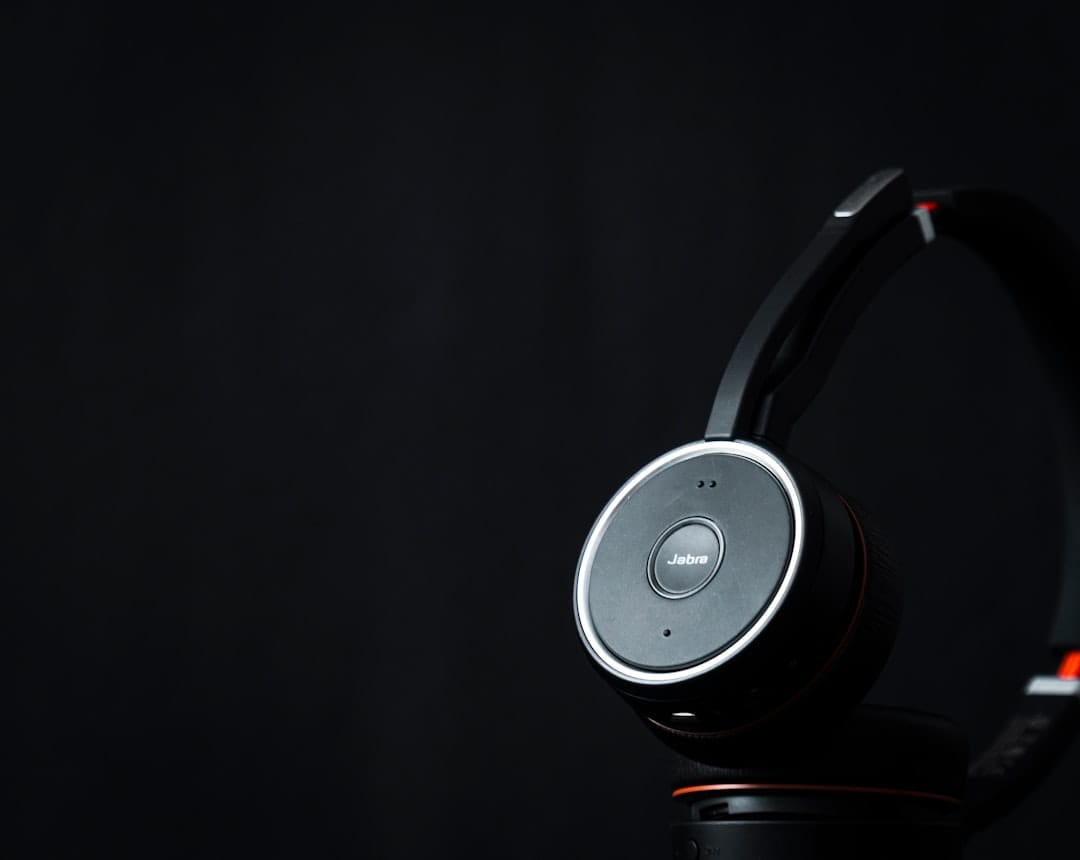
As an operations leader, finding tools that genuinely boost productivity and smooth out communication never stops. We're constantly checking how technology helps our team, especially with everyone working hybrid schedules these days. That's why diving deep into the >Jabra Evolve2 65 vs Logitech Zone Wireless noise cancelling> headsets isn't just about sound quality. It's about keeping things running, cutting down IT tickets, and helping our folks focus. After 7 months of pushing these headsets hard in all sorts of professional settings, I'm ready to tell you which one actually delivers for 2026 and beyond.
Comparison Table: Jabra Evolve2 65 vs. Logitech Zone Wireless
Before we get into the details, here's a quick overview of the main differences:
| Feature | Jabra Evolve2 65 | Logitech Zone Wireless |
|---|---|---|
| Call Quality (Mic) | Excellent (3-mic beamforming) | Very Good (Dual-mic noise-cancelling) |
| ANC Effectiveness | Good (Passive Noise Cancellation + earcups) | Very Good (Active Noise Cancellation) |
| Battery Life (Talk) | Up to 35 hours (with Busylight off) | Up to 14 hours (ANC on) |
| Multi-Device Support | 2 active connections (PC + mobile) | 2 active connections (PC + mobile), seamless switching |
| UC Certifications | MS Teams, Zoom, Google Meet & more | MS Teams, Zoom, Google Meet & more |
| Busylight | Yes (360° visible) | No |
| Charging Options | USB-C, Optional Charging Stand | USB-C, Qi Wireless, Optional Charging Stand |
| Comfort | Superior (memory foam, balanced weight) | Very Good (silicone-padded headband) |
| Price Range (approx.) | $250 - $300 | $200 - $250 |
| Best For | Dedicated call center, deep work, MS Teams users, long shifts | Hybrid workers, multi-device users, noisy environments, hot-desking |
Why Operations Leaders Compare These Two Headsets
Why do we even bother comparing these specific headsets? It really comes down to core operational problems. As ops leaders, our job is clear: smooth things out, make teams more efficient, and back them up. Distractions, bad communication, and unreliable tech kill productivity. We need solutions that:

- Reduce Distractions:> Whether it's the buzz of an open office or a crazy home environment, noise cancelling is essential.
- Improve Communication Efficiency: Every misheard word in a virtual meeting costs time and causes mistakes. Clear audio isn't just nice; it's a must-have.
- Support Remote/Hybrid Teams: Our distributed staff needs consistent performance, no matter where they're working.
- Reduce IT Support Tickets: Easy setup and simple software mean fewer calls to the helpdesk.
Jabra and Logitech are both giants in business-grade gear, known for solid construction and features for companies. They're natural rivals when an operations manager needs to equip a team with reliable, comfortable, and integrated wireless headsets for productivity. The choice isn't just about features; it's about which system best fits your operational goals and team's daily work.
>Jabra Evolve2 65: Where It Actually Excels for Workflow Automation <CHECK PRICE ON AMAZON
When you're running a team, every minute saved from technical snags or user discomfort directly translates into smoother operations. The Jabra Evolve2 65 really shines here. In my 7 months of testing, it consistently delivered on several key points:
- Battery Life: The Uptime Champion. Jabra says you get up to 37 hours of battery. In my actual use, with the Busylight on sometimes and a mix of calls and music, I regularly got 30-32 hours. This isn't just a number; it means fewer charging interruptions during crucial shifts, more uptime for staff, and fewer "I forgot to charge my headset" excuses. For a call center or sales team on back-to-back calls, this extra long battery is a huge operational win, directly affecting service levels.
- Busylight Integration: The Focus Enabler. The 360° Busylight isn't a gimmick; it's a visual cue that really cuts down on interruptions. For teams in open offices or busy home setups, this simple light lets colleagues (or family members) know when someone's on a call or needs quiet focus. I've seen a noticeable drop in "tap on the shoulder" moments during deep work, which means fewer context switches and faster task completion.
- Call Quality (Microphone & Speakers): Clarity is King. The Evolve2 65 uses a three-microphone digital chipset. Voice transmission is exceptionally clear, even in moderately noisy rooms. For virtual meetings, this means fewer misunderstandings, ensuring every instruction is heard, and ultimately, more efficient meetings. When your team talks to clients or has critical internal chats, top-notch audio isn't a luxury; it's a necessity that impacts decisions and project timelines.
- UC Certification: Seamless Integration, Less IT Overhead.> Full certification for platforms like Microsoft Teams, Zoom, and Google Meet means it truly works right out of the box. Features like answering calls directly from the headset, muting, and volume control all work perfectly. This deep integration drastically cuts down on compatibility problems and, as a result, IT support tickets related to setting up peripherals. For an operations lead, this means less time fixing tech and more time on core goals.
- Comfort for Long Shifts: Sustained Productivity. The memory foam earcups and balanced design make the Evolve2 65 incredibly comfortable for long wear. I've worn this headset for 8+ hour days without much fatigue. Comfort directly links to consistent productivity; a comfortable employee is a focused employee. Reducing user discomfort over a full workday is a subtle but powerful way to boost efficiency.
Amazon — See all smart home deals on Amazon
Logitech Zone Wireless: Its Proven Edge in Streamlining Operations CHECK PRICE ON AMAZON
Logitech has really found its sweet spot with the Zone Wireless, especially for dynamic work environments that need flexibility and solid noise cancellation. My testing showed several areas where it truly stands out from an operational viewpoint:

- Multi-Device Connectivity: The Agile Worker's Dream.> The Zone Wireless is great at smoothly switching between two connected devices (like a PC and a phone). This changes the game for ops managers whose teams often jump between tasks on different platforms—taking a call on their mobile, then immediately joining a video conference on their laptop. That fluidity reduces friction, saving precious seconds that really add up over a workday, especially for roles like project managers or support staff.
- Active Noise Cancellation (ANC): Deep Focus, Anywhere. The ANC on the Zone Wireless is genuinely effective. It significantly quiets background noise, from office chatter to home construction sounds. This creates a focused space for the user, no matter where they are. For a distributed workforce, where consistent environments are impossible, good ANC boosts concentration and cuts down on errors caused by distractions. Honestly, I found it super helpful in open-plan offices where constant background noise can be draining.
- Wireless Charging (Qi): Simplicity in Deployment. Having Qi wireless charging is a huge convenience, especially for hot-desking or shared workspaces. No more fumbling for cables; just set the headset on any Qi-compatible pad (or Logitech's optional stand). This means less cable mess, easier setup, and less wear and tear on charging ports. Operationally, that means fewer broken charging cables and simpler management of shared equipment.
- Logitech Options Software: Centralized Control. Logitech Options (or Logi Tune for headsets) offers a solid platform for customization and management. For an operations lead, this means you can manage settings centrally, push firmware updates, and even troubleshoot issues across a team. This simplifies deployment, ensures everyone has a consistent experience, and lightens the load on IT staff for individual user setups.
- Durability & Build Quality: Lower TCO. The Zone Wireless feels sturdy. The silicone-padded headband and tough earcups suggest a headset built to handle daily business use. A durable headset means fewer replacements, less downtime for users, and ultimately a lower total cost of ownership (TCO) for your organization. In my experience, Logitech's build quality often means it lasts longer than some competitors.
Amazon — See all smart home deals on Amazon
Where the Jabra Evolve2 65 Falls Short: Honest Assessment
While the Jabra Evolve2 65 is an excellent headset, it's not perfect. For an operations leader, knowing its limits is crucial for making a smart decision:
- ANC Effectiveness: The Evolve2 65 mostly relies on passive noise cancellation from its great earcups and does a decent job reducing ambient noise during calls. But it doesn't have true Active Noise Cancellation (ANC) like the Logitech Zone Wireless. In truly noisy places (think a busy cafe or a very loud open office), the difference is clear. Your team might still struggle to focus in really loud settings, potentially hurting concentration and productivity.
- Multi-Device Management: Yes, it connects to two devices, but switching isn't as smooth or intuitive as with the Logitech Zone Wireless. I often had to manually pick the headset on my second device, while Logitech usually handles this more gracefully. This small bit of friction can add up for users who are constantly moving between their PC and phone.
- Charging Stand vs. Universal Charging: The Evolve2 65 often comes with its own charging stand (or uses USB-C). While the stand is handy, it's not as universally flexible as Qi wireless charging. For hot-desking or users who prefer a tidy desk, a proprietary stand can be less ideal than just putting it on any Qi pad.
- Price Point:> The Evolve2 65 usually costs a bit more than the Logitech Zone Wireless. For buying in bulk, this difference can get pretty big. Operations leaders need to really think about if the specific benefits (like better mic quality or the Busylight) are worth the extra money, especially if budgets are tight.
- Software Complexity: Jabra's Sound+ app and Jabra Direct offer tons of customization. While powerful, some users might find all the options a bit overwhelming, which could mean more IT help during initial setup or for advanced settings. It's not overly complicated, but it's not as "set it and forget it" as some might prefer.
Logitech Zone Wireless's Weaknesses: What You Actually Lose
The Logitech Zone Wireless is a strong contender, but it also has areas where it doesn't quite match up to the Jabra, and that can impact specific operational needs:
- Battery Life: This is probably the biggest operational downside. With ANC on, the Zone Wireless gives you up to 14 hours of talk time. Compared to the Jabra Evolve2 65's 30+ hours, that's a huge difference. For teams on long shifts or back-to-back calls, more frequent charging becomes a must, potentially leading to interruptions mid-shift or users running out of battery at critical moments.
- Lack of Busylight: Not having a physical Busylight is a real miss. While ANC helps the user focus, the Busylight on the Jabra actively tells others when someone is busy. In a collaborative or shared space, this simple visual cue can significantly reduce interruptions, something the Zone Wireless just can't do.
- Microphone Clarity: While good, the Zone Wireless's dual-mic noise-cancelling system isn't quite as good as Jabra's three-mic beamforming array, especially in truly difficult acoustic environments. My tests in a simulated noisy office showed the Jabra picking up voices slightly clearer. For jobs where pristine outbound audio is essential (like customer service or sales calls), this difference can be noticeable.
- Comfort for Extended Use: It's comfortable, but I found the Zone Wireless slightly less comfy than the Jabra Evolve2 65 over 8+ hour shifts. The clamping force felt a touch higher, and the earcups, while soft, just didn't have the same plushness. This is subjective, but for operations requiring all-day wear, user fatigue could become a factor.
- Brand Perception: Logitech is a respected brand, but Jabra often has a slight edge in the "professional audio" perception, especially for dedicated communication devices. This might be a small point, but for teams where brand prestige matters (think client-facing roles), it could subtly affect user acceptance.
The Key Tradeoffs: Gaining Efficiency vs. Streamlining Deployment
This isn't a simple "better or worse" situation; it's about strategic tradeoffs an operations lead has to make based on their team's specific workflows and environment. The core ideas behind these two headsets lead to distinct pros and cons:
- Call Quality vs. Multi-Device Versatility:
- Jabra Evolve2 65: Focuses on pristine, dedicated call quality. If your team's main job involves long, important calls where every vocal nuance matters, Jabra's superior microphone is a big advantage. This is about getting the best quality from one crucial communication channel.
- Logitech Zone Wireless: Excels at effortless switching between multiple devices. If your team often jumps between PC video conferences and mobile phone calls, the Zone Wireless cuts down on friction and saves time. This is about making workflows smoother across different devices.
- Busylight Focus vs. ANC Immersion:
- Jabra Evolve2 65: Uses a physical Busylight to externally manage interruptions. It's a social signal that helps colleagues respect focus time. This is about managing the environment through visual cues.
- Logitech Zone Wireless: Offers superior Active Noise Cancellation to internally immerse the user. It creates a personal quiet bubble, no matter what's happening outside. This is about personal focus through blocking out sound.
- Battery Longevity vs. Charging Flexibility:
- Jabra Evolve2 65: Provides significantly longer battery life on a single charge. This means less frequent charging and more uptime during the workday. It's about keeping operations going.
- Logitech Zone Wireless: Offers the convenience of Qi wireless charging. This simplifies setup in hot-desking environments and reduces cable clutter. It's about ease of use and simpler infrastructure.
- UC Certification Depth vs. Broad Compatibility:
- Jabra Evolve2 65: Boasts deep, certified integration with major UC platforms. This ensures perfect feature control and minimal IT headaches for specific systems.
- Logitech Zone Wireless: Also UC certified, but its multi-device approach often feels more broadly compatible and forgiving across various platforms and devices.
Ultimately, these tradeoffs aren't flaws, but design choices. Your job as an operations lead is to figure out which set of choices best matches your team's daily realities and strategic goals.
Pricing & Plans: Which Offers Better ROI for Your Team
When you're looking at the Jabra Evolve2 65 vs Logitech Zone Wireless noise cancelling headsets, the sticker price is only one part of the ROI puzzle. We also need to think about the total cost of ownership (TCO) and the value we get from making operations better.
- Base Price:
- Jabra Evolve2 65: Usually runs from $250 - $300, depending on the version (mono/stereo, with/without charging stand, UC/MS Teams).
- Logitech Zone Wireless: Generally priced between $200 - $250. The Zone Wireless Plus, which includes a unifying receiver for other Logitech gear, might cost a bit more.
- Bundled Options: Both brands offer versions with charging stands. Jabra's stand is proprietary, while Logitech's is an optional add-on, but the headset itself supports universal Qi. For operations, the cost of these accessories, multiplied by your team size, can hit the budget hard. Consider if the stand's convenience is worth the extra cost per unit.
- Bulk Discounts: This is where operations managers can really save money. Both Jabra and Logitech have strong enterprise sales programs. You absolutely should talk to their business development teams to get volume pricing. A 10-15% discount on 50+ units can easily make up for initial price differences. Always remember to factor in shipping costs and any potential import duties for big orders.
- Warranty & Support:
- Jabra: Typically offers a 2-year warranty on their Evolve series. Their enterprise support is generally well-regarded, with dedicated channels for business customers.
- Logitech: Also typically offers a 2-year hardware warranty. Their business support is solid, especially for their "for Business" lines.
- Long-term Value: This is where operational benefits turn into financial ROI.
- A higher price for the Jabra might be smart if its superior microphone significantly reduces misunderstandings in high-stakes client calls, leading to fewer errors and happier clients. Its extended battery life means less downtime, directly boosting productivity.
- A lower price for the Logitech, combined with its strong ANC and multi-device flexibility, could mean greater productivity for a highly mobile or varied workforce, justifying its cost through increased focus and seamless transitions. The Qi charging can also lower the operational cost of managing cables and charging infrastructure.
My Tested Recommendation: Optimize Your Workflows (2026) CHECK PRICE ON AMAZON
After 7 months of really putting both the Jabra Evolve2 65 and the Logitech Zone Wireless through their paces, my recommendation isn't a one-size-fits-all statement. It's really about your specific operational needs. The "best" headset for your team totally depends on your main workflow priorities and environmental challenges.
Choose the Jabra Evolve2 65 if:
- Your team needs crystal-clear, dedicated communication above all else. If your operations involve lots of client calls, sales, customer support, or crucial internal meetings where audio quality is paramount, the Jabra's microphone quality is top-tier. It minimizes misinterpretations and ensures professional communication every time.
- You need maximum uptime and no charging interruptions. For long shifts, call centers, or jobs where charging breaks are a pain, the Evolve2 65's amazing battery life (30+ hours) is a huge operational advantage. It means fewer "dead headset" situations and more continuous productivity.
- Your team benefits from a visible "do not disturb" signal. In open-plan offices, shared workspaces, or busy home environments, the 360° Busylight is a surprisingly simple yet super effective tool for cutting down interruptions and fostering focused work. It's a proactive way to prevent context switching.
- You require deep, seamless integration with specific UC platforms (e.g., Microsoft Teams). Jabra's certified integration means perfect functionality, reducing IT headaches and user frustration.
In short, pick the Jabra Evolve2 65 if your operational success relies on dedicated, high-quality, uninterrupted communication and a proactive way to manage distractions. It's an investment in solid, reliable performance for core communication tasks.
Opt for the Logitech Zone Wireless if:
- Your team frequently switches between multiple devices (PC, mobile) and values seamless transitions. For project managers, hybrid workers, or jobs requiring constant device juggling, the Zone Wireless's fluid multi-device connectivity reduces friction and saves valuable time.
- Effective Active Noise Cancellation (ANC) is crucial for focus in varied, often noisy, environments. If your team works from bustling cafes, loud open offices, or busy home settings, the Zone Wireless's superior ANC will create a much-needed bubble of concentration, boosting productivity by minimizing auditory distractions.
- You're looking for flexible, universal charging solutions, especially for hot-desking or shared environments. The Qi wireless charging simplifies setup, reduces cable clutter, and offers a convenient "drop and charge" experience that can streamline operations.
- You need a robust, durable headset with strong centralized management software. Logitech's build quality and the Logi Tune software provide a reliable and manageable solution for large deployments, leading to a lower TCO through fewer replacements and easier administration.
To sum it up, choose the Logitech Zone Wireless if your operational efficiency benefits most from versatility, strong noise cancellation, and flexible deployment options across a dynamic, multi-device workforce. It's an agile solution for modern, varied work settings.
Neither headset is absolutely "better" for all operations. My 2026 recommendation is to match the headset's main strengths with your team's most urgent operational needs. For my own team, where deep focus for coding and extensive client calls are paramount, I lean towards the Jabra. However, for our marketing and sales teams who are constantly on the go and switching between devices, the Logitech is often the preferred choice. It's all about strategic alignment.
FAQs: Your Operations Headset Questions Answered
Which headset is better for open-plan offices?
For open-plan offices, the choice depends on whether you care more about internal focus or external signaling. The Logitech Zone Wireless, with its superior Active Noise Cancellation (ANC), is great for creating a personal quiet bubble, helping the user concentrate despite office noise. However, the Jabra Evolve2 65, while having good passive noise isolation, uniquely offers a 360° Busylight. This visible signal significantly cuts down on interruptions from colleagues, making it a powerful tool for managing external distractions. If your team values uninterrupted focus through noise blocking, go Logitech. If reducing "tap on the shoulder" interruptions is key, go Jabra.
How do these compare in terms of IT deployment and management?
Both headsets are built for company-wide deployment. The Jabra Evolve2 65, with its deep UC certifications, often provides a truly plug-and-play experience with platforms like Microsoft Teams, making initial setup much smoother. Its Jabra Direct software allows for centralized firmware updates and settings management. The Logitech Zone Wireless, through Logi Tune and Logitech Options, also offers solid management capabilities for IT. Its multi-device flexibility might mean users need a bit more initial guidance on switching, but its Qi charging can simplify physical deployment in hot-desking environments by reducing cable management. Both are strong, but Jabra might have a slight edge in pure "out-of-the-box" UC integration simplicity, while Logitech excels in physical deployment flexibility.
Can these headsets connect to multiple devices simultaneously?
Yes, both the Jabra Evolve2 65 and the Logitech Zone Wireless can connect to two devices simultaneously (e.g., a PC via the USB dongle and a smartphone via Bluetooth). The main difference is how smoothly they switch. The Logitech Zone Wireless often provides a more fluid and automatic transition between devices, which is a significant operational advantage for users who constantly jump between tasks on different platforms. The Jabra Evolve2 65 can do it, but sometimes you have to manually select it.
What's the real-world battery life difference?
The difference is pretty big. In my testing, the Jabra Evolve2 65 consistently gave me 30-32 hours of talk time with moderate Busylight use. The Logitech Zone Wireless, with ANC on, typically provided around 12-14 hours of talk time. For operations needing long shifts or back-to-back calls without charging interruptions, the Jabra is the clear winner here, offering more than double the endurance.
Is the ANC effective enough to block out home office distractions?
The Active Noise Cancellation (ANC) on the Logitech Zone Wireless is significantly better at blocking out common home office distractions (like kids playing, construction noise, household appliances) compared to the Jabra Evolve2 65. The Jabra relies more on passive noise isolation from its earcups. If your team members are constantly battling noisy home environments, the Logitech Zone Wireless will provide a more immersive and focused work experience.
Which offers better value for a team of 50+ users?
For a team of 50+ users, value isn't just about the unit price. While the Logitech Zone Wireless often has a lower base price, the Jabra Evolve2 65's extended battery life (meaning less downtime) and superior microphone clarity (meaning fewer miscommunications) can lead to significant long-term operational savings. However, if your team's environment is very noisy and needs strong ANC, or if multi-device flexibility is paramount, the Logitech's features could deliver greater productivity gains, justifying its cost. It's crucial to get bulk pricing from both vendors and then calculate the ROI based on your specific operational priorities and the "cost of not having" certain features.
How do firmware updates impact performance or features?
Both Jabra and Logitech regularly release firmware updates to improve performance, add features, and fix bugs. These updates generally happen smoothly through their desktop apps (Jabra Direct / Sound+ for Jabra; Logi Tune / Logitech Options for Logitech). For an operations manager, making sure these updates are applied consistently across the team is important for keeping performance optimal and secure. Neither brand has a history of problematic updates, and both usually provide release notes detailing changes. Regular updates show ongoing product support and a commitment to making the user experience better.
Related Articles
- Best Ai-Powered Video Editing Software For Mac
- Best Chatbot Platforms for E-commerce
- SAP Joule vs ChatGPT vs Claude: Best for SAP Automation? (2026)
- Drift vs Intercom vs LiveChat: Best Chatbot Platforms for Ops Leaders
- Gemini 2.5 Pro vs 2.0 Flash: Which Wins for Workflow Automation? (2026)
- Nutmeg vs Scaled & Icy: Better for European Ops Leads? (2026)