Top-Rated Air Purifiers for Asthma 2024
Executive Health Guide Combat asthma triggers & boost productivity with 2024's top-rated air purifiers. Expert reviews, comparison, & tailored recommendations f
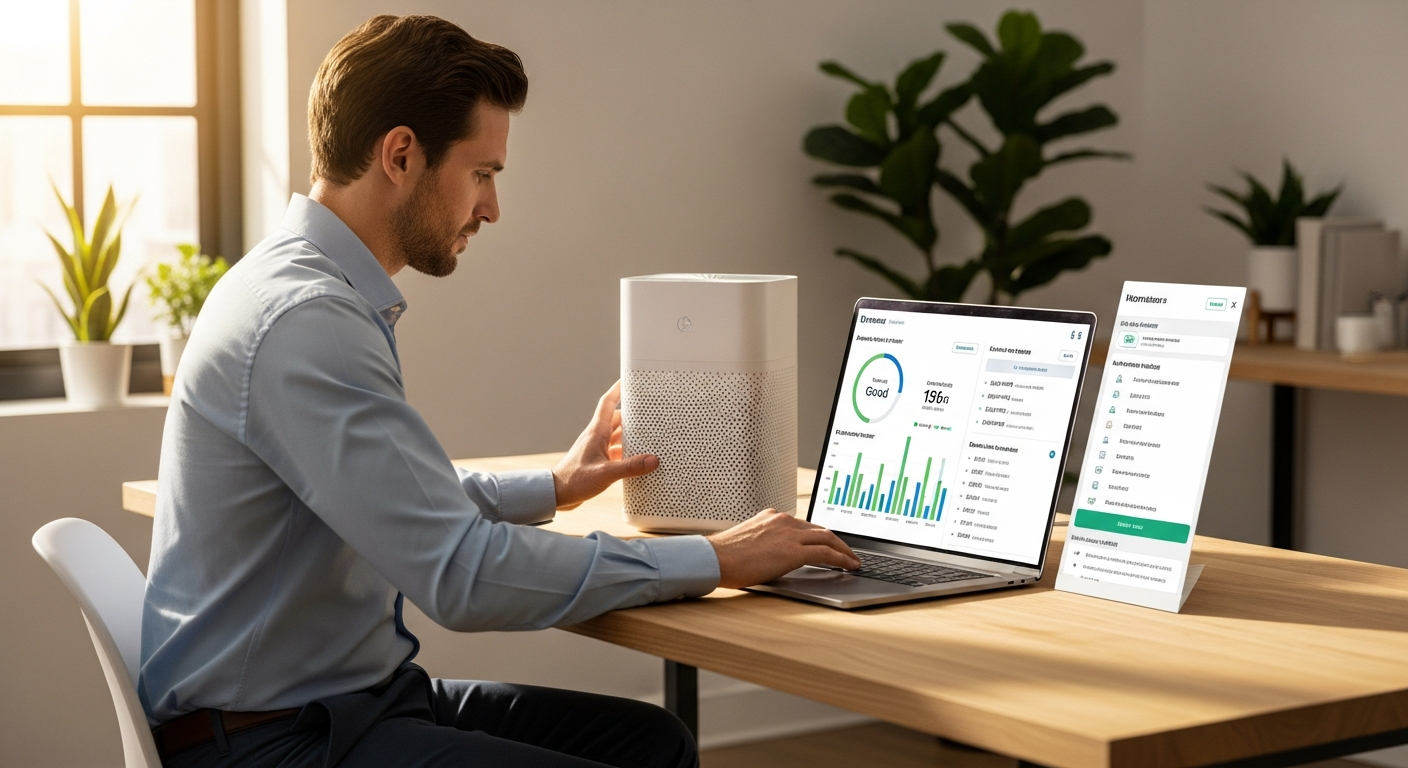
Top-Rated Air Purifiers for Asthma 2024: Breathe Easier, Perform Better
Reclaim Your Focus: Conquering Asthma Triggers in Your Professional Environment
>As a business professional, your time is your most valuable asset. Yet, for millions living with asthma, a significant portion of that mental energy is diverted to managing symptoms triggered by unseen airborne irritants. From the pollen wafting through your home office window to the pet dander in your executive suite, or even the volatile organic compounds (VOCs) off-gassing from new furniture, these silent aggressors can dramatically impact your concentration, sleep quality, and overall productivity.<
Imagine waking up refreshed, free from nocturnal coughing fits, and tackling your demanding day with unparalleled clarity. Envision an office environment where allergic reactions don't interrupt crucial calls or drain your energy during long meetings. This isn't a pipe dream; it's the tangible benefit of investing in a top-rated air purifier specifically designed for asthma relief in 2024.
We understand you need solutions that are effective, discreet, and align with your high-performance lifestyle. This comprehensive guide cuts through the noise, providing data-driven insights and expert recommendations on the best air purifiers to help you mitigate asthma triggers, enhance your well-being, and ultimately, elevate your professional output. We promise to equip you with the knowledge to make an informed decision, ensuring your investment delivers measurable improvements to your health and productivity.
Quick Comparison: Executive Shortlist for Asthma Relief
For those who need to quickly identify the best options, here's a concise comparison of our top-rated air purifiers for asthma in 2024, evaluated for their performance, features, and suitability for the discerning professional.

| Model | Key Feature for Asthma | CADR (Smoke) | Max Room Size (Sq. Ft.) | Noise Level (dB) | Approx. Price Range | Best For |
|---|---|---|---|---|---|---|
| Blueair HealthProtect 7470i | HEPASilent Ultra, GermShield | 300 | 418 | 22-45 | $600 - $750 | Smart homes, tech-savvy professionals, comprehensive protection |
| Coway Airmega 400S | Dual-filter system, Max2 filter | 330 | 1,560 | 22-52 | $700 - $850 | Large open-plan offices, whole-home coverage, minimalist design |
| Levoit Core 300S | 3-in-1 Filtration (HEPA, Activated Carbon) | 141 | 219 | 24-50 | $90 - $130 | Personal offices, bedrooms, budget-conscious, quiet operation |
| Molekule Air Pro | PECO technology (destroys pollutants) | 250 (Approx.) | 1,000 | 33-62 | $1,000 - $1,200 | High-tech users, chemical sensitivities, premium design |
| Dyson Purifier Hot+Cool Formaldehyde | HEPA+Activated Carbon, Formaldehyde sensor | Not specified (Dyson uses different metrics) | 810 (Approx. for purification) | 40-62 | $800 - $1,000 | Multi-functional needs (heating/cooling), formaldehyde concerns, sleek design |
| IQAir HealthPro Plus | HyperHEPA filtration, medical-grade | 300 | 1,125 | 25-59 | $900 - $1,100 | Severe asthma/allergies, clinical-grade performance, robust build |
Note on CADR: Clean Air Delivery Rate (CADR) measures how quickly an air purifier removes pollutants (smoke, pollen, dust) from a room. Higher numbers indicate faster cleaning. Room size recommendations are based on 2-3 air changes per hour (ACH), which is often sufficient for general air quality. For asthma and allergy sufferers, aim for 4-5 ACH for optimal relief.
In-Depth Analysis: The Best Air Purifiers for Asthma in 2024
Beyond the numbers, understanding the nuances of each purifier's technology, design, and operational costs is crucial for a wise investment. Here, we delve into the specifics of our top recommendations.
1. Blueair HealthProtect 7470i: The Smart Sanctuary
Why it's Top-Rated for Asthma: Blueair's proprietary HEPASilent Ultra™ technology combines electrostatic and mechanical filtration, capturing 99.97% of airborne particles down to 0.1 microns (including common asthma triggers like pollen, dust mites, pet dander, and mold spores) with less noise and energy than traditional HEPA. The standout feature for asthma sufferers is the GermShield™ technology, which proactively monitors your room and activates to kill viruses and bacteria on the filters even when the unit is on standby. This is critical for preventing the recirculation of pathogens that can exacerbate respiratory conditions.
- Filtration System: HEPASilent Ultra™ (HEPA + electrostatic), Activated Carbon.
- CADR (Smoke): 300 CFM.
- Max Room Size (ACPH): 418 sq. ft. (5x ACH).
- Noise Level: 22-45 dB. Extremely quiet on lower settings, ideal for bedrooms or quiet offices.
- Smart Features: Wi-Fi enabled, app control, voice control (Alexa/Google Assistant), real-time air quality monitoring (PM2.5, VOCs, temperature, humidity), filter life indicator.
- Design & Build: Premium Scandinavian design, robust build quality.
- Pros for Professionals:> Discreet operation, smart automation reduces manual intervention, comprehensive protection against a wide range of asthma triggers including viruses/bacteria, energy efficient.<
- Cons: Higher upfront cost, replacement filters are proprietary and can be pricey (approx. $100-$120 annually).
Ideal for: Executives who prioritize smart home integration, comprehensive germ protection, and a quiet, energy-efficient operation in medium to large rooms (up to 400-500 sq. ft.).
2. Coway Airmega 400S: The Powerhouse for Open Spaces
Why it's Top-Rated for Asthma: The Airmega 400S is a behemoth in purification, designed for substantial spaces. Its dual-sided intake and Max2 filter system (combining Green True HEPA and activated carbon) efficiently captures 99.97% of particles down to 0.3 microns, including pollen, dust, pet dander, and mold. What truly sets it apart for asthma sufferers in larger environments is its sheer volume of clean air delivery (CADR) and its ability to achieve frequent air changes in expansive areas, preventing the buildup of irritants.
- Filtration System: Max2 Filter (True HEPA + Activated Carbon).
- CADR (Smoke): 330 CFM.
- Max Room Size (ACPH): 1,560 sq. ft. (1x ACH), 780 sq. ft. (2x ACH), 390 sq. ft. (4x ACH).
- Noise Level: 22-52 dB. Quiet for its power, though audible on max settings.
- Smart Features: Wi-Fi enabled, app control, smart mode (auto fan speed based on air quality), eco mode, timer.
- Design & Build: Modern, minimalist cube design available in white or graphite.
- Pros for Professionals: Exceptional coverage for large offices or open-plan living areas, robust filtration for all common asthma triggers, reliable and durable.
- Cons: Large footprint, higher filter replacement cost (approx. $100-$150 annually), slightly louder on highest settings compared to smaller units.
Ideal for: Professionals with large home offices, open-concept living spaces, or those needing to purify a significant area with minimal fuss. Excellent for pet owners with asthma.
3. Levoit Core 300S: The Discreet & Effective Personal Purifier
Why it's Top-Rated for Asthma: Don't let its compact size fool you. The Levoit Core 300S is a formidable choice for personal spaces, offering excellent value and performance. Its 3-in-1 filtration system includes a pre-filter, H13 True HEPA filter (capturing 99.97% of particles 0.3 microns and larger), and an activated carbon filter. This combination is highly effective against common asthma triggers like dust, pollen, pet dander, and also tackles VOCs and odors. Its quiet operation is a major advantage for bedrooms or focused workspaces.
- Filtration System: 3-in-1 (Pre-filter, H13 True HEPA, Activated Carbon).
- CADR (Smoke): 141 CFM.
- Max Room Size (ACPH): 219 sq. ft. (5x ACH).
- Noise Level: 24-50 dB. Renowned for its quiet operation, especially on sleep mode (24dB).
- Smart Features: Wi-Fi enabled, VeSync app control, voice control (Alexa/Google Assistant), timer, dimmable display, filter life indicator.
- Design & Build: Sleek, cylindrical, space-saving design. Available in white or black.
- Pros for Professionals:> Highly affordable, exceptionally quiet for bedrooms/small offices, effective against common asthma triggers and odors, smart features for convenience.<
- Cons: Limited to smaller rooms, filter life is generally 6-8 months (approx. $30-$40 per filter).
Ideal for: Professionals seeking an affordable, discreet, and highly effective air purifier for their bedroom, small home office, or individual workspace. Perfect for those new to air purification.
4. Molekule Air Pro: The Innovator for Chemical Sensitivities
Why it's Top-Rated for Asthma: Molekule takes a different approach with its Photo Electrochemical Oxidation (PECO) technology. Instead of just capturing pollutants, PECO is designed to destroy them at a molecular level, including viruses, bacteria, mold, allergens, and particularly VOCs. For asthma sufferers whose triggers extend beyond particulate matter to chemical sensitivities (e.g., new carpet, paint, cleaning products), the Air Pro offers a unique advantage. It operates with a powerful motor, making it suitable for larger spaces.
- Filtration System: PECO filter (nanofilter coated with a proprietary catalyst) + Pre-filter.
- CADR (Approximate): 250 CFM (Molekule uses different metrics due to PECO's destructive nature).
- Max Room Size (ACPH): 1,000 sq. ft. (1x ACH), 500 sq. ft. (2x ACH).
- Noise Level: 33-62 dB. Can be noticeable on higher settings.
- Smart Features: Wi-Fi enabled, app control, touch screen display, auto protect mode.
- Design & Build: Premium, minimalist aluminum design.
- Pros for Professionals: Destroys a broad spectrum of pollutants including VOCs, viruses, and bacteria; sleek design; effective for chemical sensitivities.
- Cons: Premium price point, PECO filters require replacement every 6 months (approx. $100-$150 annually), higher noise levels on max.
Ideal for: Professionals with significant chemical sensitivities, those seeking cutting-edge technology, or individuals who want to actively destroy pollutants rather than just capture them. Best for larger, modern spaces.
5. Dyson Purifier Hot+Cool Formaldehyde: The Multi-Functional Marvel
Why it's Top-Rated for Asthma:> Dyson combines advanced purification with heating and cooling functionalities, making it a versatile choice for a professional's living or working space. Its fully sealed HEPA and activated carbon filtration system captures 99.97% of particles down to 0.3 microns, including allergens and pollutants. Crucially for asthma, the integrated <solid-state formaldehyde sensor detects and continuously destroys formaldehyde molecules, a common indoor pollutant and asthma trigger. The ability to circulate purified, heated, or cooled air throughout the room ensures even distribution of clean air.
- Filtration System: HEPA filter (glass fiber) + Activated Carbon filter.
- CADR: Dyson does not publish CADR. They focus on whole-room purification (up to 810 sq. ft. for purification).
- Max Room Size (ACPH): Effective for medium to large rooms.
- Noise Level: 40-62 dB. Can be noticeable on higher fan speeds.
- Smart Features: LCD screen for real-time air quality, MyDyson app control, voice control, remote control.
- Design & Build: Signature bladeless Dyson design, premium materials.
- Pros for Professionals: 3-in-1 functionality (purifier, heater, fan), precise formaldehyde detection and destruction, sleek design, whole-room circulation.
- Cons: Highest price point, filters can be expensive (approx. $80-$100 annually), noise level can be a concern for some, not as powerful as dedicated purifiers for very large spaces.
Ideal for: Professionals who value multi-functional devices, have concerns about formaldehyde or VOCs, and desire a premium, aesthetically pleasing unit that integrates seamlessly into a modern home or office.
>6. IQAir HealthPro Plus: The Clinical Standard for Severe Cases<
Why it's Top-Rated for Asthma: Often recommended by doctors and used in hospitals, the IQAir HealthPro Plus is the gold standard for severe asthma and allergy sufferers. Its HyperHEPA filtration system is certified to capture 99.5% of ultrafine particles down to 0.003 microns – 100 times smaller than what normal HEPA captures. This means it effectively removes virtually all airborne allergens, viruses, bacteria, and smoke. The multi-stage filtration also includes a V5-Cell™ gas and odor filter, targeting a broad spectrum of chemical pollutants and odors, which are often significant triggers for sensitive individuals.
- Filtration System: PreMax™ Pre-filter, V5-Cell™ Gas & Odor Filter (granular activated carbon & impregnated alumina), HyperHEPA® Filter.
- CADR (Smoke): 300 CFM.
- Max Room Size (ACPH): 1,125 sq. ft. (1x ACH), 560 sq. ft. (2x ACH), 280 sq. ft. (4x ACH).
- Noise Level: 25-59 dB. Can be quite loud on max settings.
- Smart Features: Intelligent filter life monitoring, programmable operation.
- Design & Build: Industrial, robust medical-grade construction.
- Pros for Professionals: Unmatched filtration efficiency for ultrafine particles, comprehensive gas/odor removal, medical-grade performance, exceptionally durable.
- Cons: Very high upfront cost, large and industrial appearance, higher noise levels, filter replacement costs are significant (can be $200-$300+ annually depending on usage).
Ideal for: Professionals with severe, chronic asthma, multiple chemical sensitivities, or those who require the absolute highest level of air purification for health reasons, irrespective of aesthetics or price.
Pricing & Suitability by Professional Segment
Your investment in an air purifier should align with your specific needs, budget, and the environment you aim to optimize. Here's a breakdown by common professional archetypes.

The Ascending Executive (Budget: $90 - $300)
- Needs: Effective relief for a personal office or bedroom, quiet operation, reliable filtration.
- Suitable Models:
- Levoit Core 300S: Outstanding value, compact, quiet, and highly effective for personal spaces. An excellent entry point.
- Alternatives: Winix 5500-2 (slightly larger, good for mid-sized rooms, often on sale).
- Why:> These models provide substantial improvement in air quality for a manageable investment, allowing you to experience the benefits without a significant financial commitment.<
The Established Professional (Budget: $300 - $700)
- Needs: Coverage for larger rooms or multiple smaller rooms, smart features, good balance of performance and aesthetics, lower ongoing costs.
- Suitable Models:
- Blueair HealthProtect 7470i: For those prioritizing smart features, comprehensive germ protection, and sleek design in a medium-large space.
- Alternatives: Rabbit Air MinusA2 (wall-mountable, customizable panels, excellent filtration), Coway Airmega 200M (smaller version of 400S, solid performance).
- Why: This tier offers a significant upgrade in features, coverage area, and often design, providing a more integrated and automated purification experience.
The C-Suite & High-Net-Worth Individual (Budget: $700+)
- Needs: Whole-home or very large area coverage, cutting-edge technology, premium design, multi-functional capabilities, medical-grade filtration for severe conditions.
- Suitable Models:
- Coway Airmega 400S: For expansive open-plan offices or entire floor purification.
- Molekule Air Pro: If chemical sensitivities are a primary concern, or for those who appreciate innovative technology and design.
- Dyson Purifier Hot+Cool Formaldehyde: When multi-functionality (heating/cooling) and formaldehyde detection are key, alongside premium aesthetics.
- IQAir HealthPro Plus: The ultimate choice for severe asthma, chronic allergies, or when clinical-grade air purity is non-negotiable.
- Why: These purifiers represent the pinnacle of air purification technology, offering unparalleled performance, advanced features, and often a significant aesthetic statement, aligning with a premium lifestyle and critical health needs.
Who Should Use What: Matching Your Air Purifier to Your Professional Persona
The "Work-From-Anywhere" Entrepreneur
Lifestyle: Dynamic, often working from home, co-working spaces, or even traveling. Needs something effective but potentially portable, or robust for a dedicated home office.
Recommendation:
- Levoit Core 300S: For a personal, quiet space like a home office or bedroom. Its compact size makes it easy to move between rooms if needed.
- Blueair HealthProtect 7470i: If your home office is a significant hub and you value smart, hands-off operation and comprehensive germ protection.
Why: Focus on quiet efficiency and smart features that don't demand constant attention, allowing you to concentrate on your ventures.
The "Corporate Executive"
Lifestyle: Demanding schedule, frequent travel, likely has a spacious home and potentially a private office at work. Values efficiency, reliability, and perhaps discreet elegance.
Recommendation:
- Coway Airmega 400S: For large living areas or open-plan home offices, ensuring broad coverage with minimal units.
- Blueair HealthProtect 7470i: For a bedroom or personal study, offering advanced features and quiet operation without being visually intrusive.
- Dyson Purifier Hot+Cool Formaldehyde: If multi-functionality and a sleek, modern aesthetic are important for your executive office or bedroom.
Why: These options provide robust, reliable performance for larger spaces, often with smart features that integrate well into a sophisticated environment, allowing for health benefits without compromise on aesthetics or convenience.
The "Health-Conscious Innovator"
Lifestyle: Always seeking the latest technology, highly aware of environmental health, potentially sensitive to a wider range of pollutants (VOCs, ultrafine particles). Values data and advanced solutions.
Recommendation:
- Molekule Air Pro: For those specifically concerned with destroying VOCs and a broader spectrum of bio-contaminants, appreciating its unique PECO technology.
- IQAir HealthPro Plus: If you demand the absolute highest level of filtration for ultrafine particles and severe sensitivities, prioritizing clinical effectiveness above all.
- Dyson Purifier Hot+Cool Formaldehyde: For the tech enthusiast who wants detailed air quality data, formaldehyde destruction, and integrated environmental control.
Why: These purifiers offer cutting-edge filtration methods, detailed air quality monitoring, and often address specific, complex pollutant concerns that go beyond standard particulate matter.
The "Family-Focused Leader"
Lifestyle: Balancing a demanding career with family life. Needs solutions that benefit the entire household, especially if children or other family members also suffer from asthma or allergies. Prioritizes safety and comprehensive coverage.
Recommendation:
- Coway Airmega 400S: Ideal for purifying large common areas where the family gathers.
- Blueair HealthProtect 7470i: Excellent for bedrooms, especially children's rooms, due to its GermShield technology and quiet operation.
- Levoit Core 300S (multiple units): An economical way to provide dedicated purification in multiple smaller rooms (e.g., each bedroom).
Why: Focus on broad coverage, proven effectiveness against common household allergens and germs, and ease of use to ensure a healthier environment for the entire family.
>Implementation & Getting Started: Optimizing Your Air Purification Strategy<
Acquiring an air purifier is just the first step. To maximize its effectiveness for asthma relief and ensure a seamless integration into your professional lifestyle, consider these strategic implementation tips.

1. Strategic Placement is Key
- High-Traffic Areas: Place your purifier where you spend the most time – your bedroom, home office, or main living area.
- Near the Source: If you identify a specific trigger source (e.g., pet bed, entryway), place the purifier nearby to capture pollutants before they spread.
- Optimal Airflow: Position the unit at least 6-12 inches from walls or furniture to allow unrestricted airflow. Avoid placing it in corners or behind large objects.
- Elevated Position (Optional): For smaller units, placing them on a sturdy table or stand can sometimes improve circulation, especially if dealing with heavy floor-level dust.
2. Understand Room Size & CADR
- Match CADR to Room: Always ensure the purifier's CADR matches or exceeds the requirements for your room size. For asthma, aim for 4-5 Air Changes Per Hour (ACH). Multiply your room's square footage by 0.67 to get a rough CADR target for 4 ACH.
- Example: A 15x20 ft (300 sq. ft.) room needs a CADR of approximately 200 CFM for 4 ACH.
- Don't Oversize (Too Much): While a larger CADR is generally better, buying a significantly oversized unit for a small room might mean unnecessary noise or energy consumption.
3. Filter Maintenance: Non-Negotiable for Performance
- Regular Replacement: Adhere strictly to manufacturer recommendations for filter replacement (typically every 6-12 months for HEPA, 3-6 months for activated carbon). Neglecting this will severely diminish performance and can even recirculate trapped pollutants.
- Genuine Filters: Always use genuine OEM (Original Equipment Manufacturer) filters. Off-brand filters may not meet the same efficiency standards and can void warranties.
- Pre-filter Cleaning: Many units have washable pre-filters. Clean these regularly (monthly) to extend the life of your main HEPA and carbon filters.
4. Optimize Settings for Your Schedule
- Auto Mode: Utilize smart modes (if available) that automatically adjust fan speed based on detected air quality. This ensures efficient operation without constant manual intervention.
- Sleep Mode: Leverage quiet or sleep modes during the night for uninterrupted rest, crucial for asthma management.
- Boost During Peak Times: If you have predictable trigger times (e.g., pollen count spikes, after cooking, during pet grooming), run your purifier on a higher setting for an hour or two.
5. Integrate with Your Smart Home Ecosystem (If Applicable)
- App Control: Use the dedicated app for remote control, scheduling, and monitoring air quality from your smartphone.
- Voice Assistants: Connect to Alexa or Google Assistant for hands-free operation – "Alexa, turn on the air purifier."
- Automation: Explore routines or automations (e.g., turn on purifier when you leave for work, increase fan speed when outdoor pollen is high).
6. Complementary Strategies for a Holistic Approach
- Regular Cleaning: Air purifiers are not a substitute for regular vacuuming (with a HEPA vacuum), dusting, and cleaning surfaces.
- Humidity Control: Maintain indoor humidity between 30-50% to deter mold and dust mites.
- Ventilation: Occasionally open windows for short periods, especially after cooking or using cleaning products, but be mindful of outdoor allergen levels.
- Professional Advice: Consult with your allergist or pulmonologist regarding your asthma management plan and how air purification fits into it.
Ready to Transform Your Indoor Air & Boost Your Productivity?
The choice is clear: investing in a top-rated air purifier for asthma is an investment in your health, your focus, and your professional edge. Stop letting airborne triggers dictate your well-being. Take control of your indoor environment today.
We've provided you with the research, the comparisons, and the tailored recommendations. Now, it's time to act.
Don't wait for the next allergy season or asthma flare-up. Experience the profound difference that truly clean air can make in your life.
Frequently Asked Questions About Air Purifiers for Asthma
Q1: What specific features should an air purifier have for asthma sufferers?
A1: For asthma, the most critical features are a True HEPA filter (captures 99.97% of particles down to 0.3 microns, including pollen, dust mites, pet dander, mold spores), and ideally an activated carbon filter for odors and Volatile Organic Compounds (VOCs) which can also trigger asthma. A high Clean Air Delivery Rate (CADR) relative to your room size is also essential to ensure frequent air changes. Look for units with quiet operation, especially for bedrooms.
Q2: How often should I run my air purifier if I have asthma?
A2: For optimal asthma relief, it's recommended to run your air purifier 24/7, particularly in the rooms where you spend the most time (e.g., bedroom, home office). Modern purifiers are designed to be energy-efficient and quiet on lower settings, making continuous operation feasible. Consistent air purification prevents the buildup of triggers.
Q3: Can an air purifier completely cure my asthma?
A3: No, an air purifier cannot cure asthma. Asthma is a chronic respiratory condition. However, a high-quality air purifier can significantly reduce your exposure to airborne triggers (allergens, irritants, pollutants) that can cause asthma attacks or worsen symptoms. By minimizing these triggers, purifiers help you manage your condition more effectively and experience fewer symptoms.
Q4: Are air purifiers with UV-C light or ionizers safe for asthma?
A4: While some purifiers include UV-C light or ionizers, caution is advised for asthma sufferers. UV-C light, while effective against some microorganisms, can sometimes produce ozone. Ionizers can also produce ozone, a lung irritant that can exacerbate asthma symptoms. If you choose a unit with these features, ensure it's certified as "ozone-free" or that the ozone production is below safe limits (e.g., by CARB - California Air Resources Board). Generally, for asthma, focus on mechanical filtration (HEPA and activated carbon).
Q5: How do I know what size air purifier I need for my room?
A5: You need to consider the room's square footage and the purifier's CADR (Clean Air Delivery Rate). For asthma and allergies, aim for an air purifier that can achieve at least 4-5 Air Changes Per Hour (ACH) in your space. To calculate the approximate CADR needed for 4 ACH, multiply your room's square footage by 0.67. For example, a 300 sq. ft. room would need a CADR of at least 201 CFM (300 * 0.67).
Q6: What about filter replacement costs? Are they significant?
A6: Filter replacement is an ongoing cost and varies significantly by model. True HEPA filters typically last 6-12 months, while activated carbon filters may need replacement every 3-6 months. Costs can range from $30-$50 for smaller units to $100-$300+ annually for larger or medical-grade systems. Always factor these recurring costs into your budget when making a purchase decision.
Q7: Can I use an air purifier in multiple rooms?
A7: While you can move a portable air purifier between rooms, it's generally most effective to have a dedicated unit for each primary living space (e.g., bedroom, home office, living room). Air purification is most effective when running continuously in a closed space. Moving a unit frequently will reduce its overall effectiveness in maintaining consistent air quality.