Best Portable Power Station for Car Camping 2023
Power Your Adventures Discover the best portable power stations for car camping in 2023. Expert reviews, comparisons, and persona matching for business professi
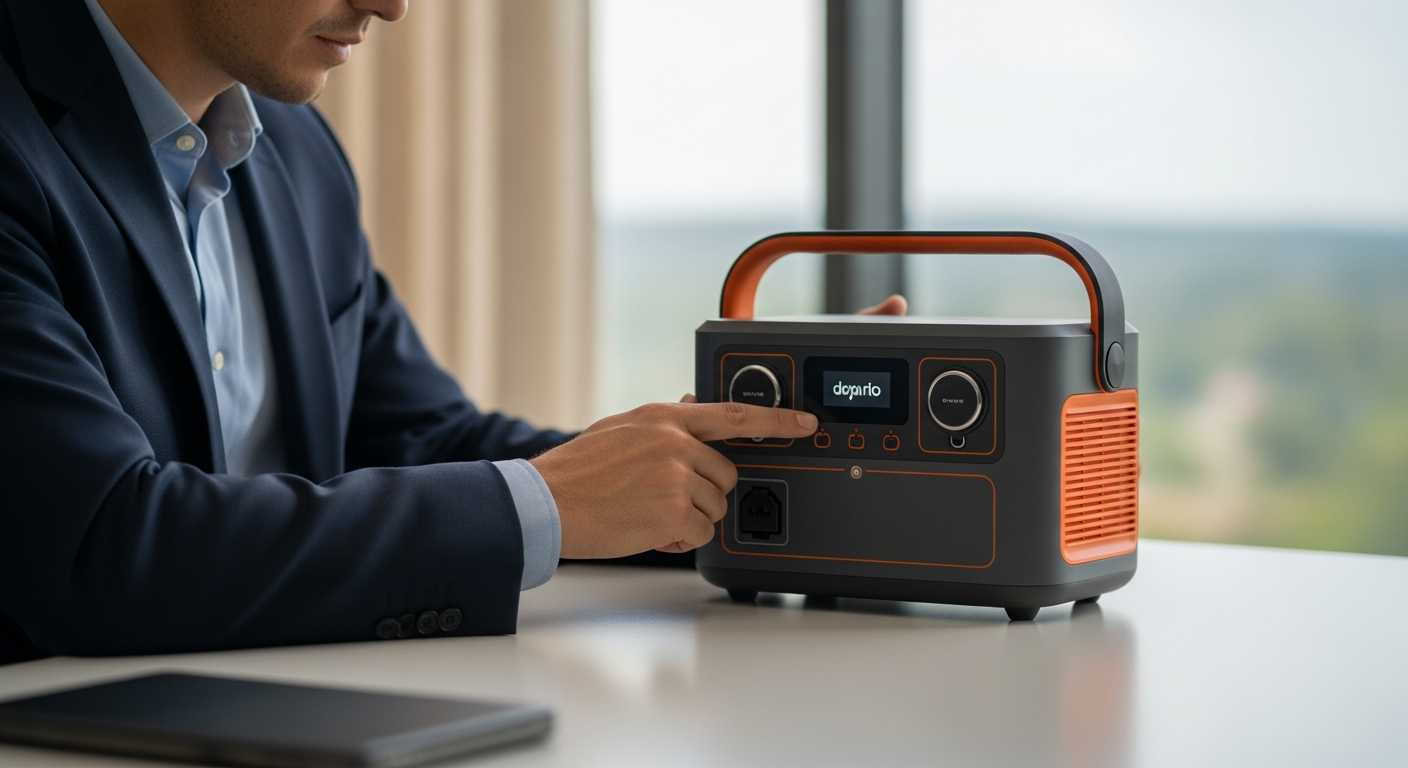
Uninterrupted Power for Your Wilderness Retreats: The Best Portable Power Station for Car Camping in 2023
Escape the Grid, Not Your Essentials: Powering Your Remote Workspace and Leisure
As a discerning business professional, your pursuit of efficiency and comfort doesn't cease when you venture beyond city limits. Car camping, once a rustic endeavor, has evolved into a sophisticated blend of nature immersion and technological convenience. However, the critical challenge remains: how do you maintain your digital connectivity, power essential devices, and ensure creature comforts like a portable fridge or an espresso maker, all while disconnected from traditional power sources?
The answer lies in selecting the best portable power station for car camping in 2023. We've meticulously analyzed the market, considering factors vital to your lifestyle – reliability, capacity, charging speed, smart features, and robust build quality – to present a definitive guide. Our promise: equip you with the knowledge to choose a power station that seamlessly integrates with your smart home ecosystem and supports your professional and recreational demands, ensuring your car camping experience is powered, productive, and profoundly enjoyable.
>Quick Comparison: Top Portable Power Stations for the Savvy Car Camper<
For those who value immediate insights, here's a concise overview of our top recommendations. Dive into the detailed reviews below for a comprehensive breakdown.

| Model | Capacity (Wh) | Output (W) | Key Features | Best For | Price Range |
|---|---|---|---|---|---|
| EcoFlow Delta 2 | 1024 (expandable) | 1800 (2700W X-Boost) | Fast Charging (0-80% in 50 min), LiFePO4 Battery, App Control, Expandable Capacity | Tech-Savvy Campers, Extended Trips | $$$ |
| Jackery Explorer 1000 Pro | 1002 | 1000 (2000W Peak) | Lightweight, Quiet Operation, Durable Design, Solar Charging Optimized | Balance of Power & Portability, Weekend Warriors | $$ |
| Goal Zero Yeti 1500X | 1516 | 2000 (3500W Surge) | Rugged Build, High Output, Modular Ecosystem, MPPT Solar Controller | Heavy Users, Off-Grid Enthusiasts, Integrated Systems | $$$$ |
| BLUETTI AC200MAX | 2048 (expandable) | 2200 (4800W Peak) | LiFePO4 Battery, App Control, Multiple Charging Options, High Expandability | Long-Term Car Campers, RVers, Power-Hungry Devices | $$$$ |
| Anker 757 PowerHouse (PowerHouse 1500) | 1229 | 1500 (2400W Surge) | Ultra-Long Lifespan (3000 Cycles), 5-Year Warranty, HyperFlash Charging | Reliability & Longevity Focused, Smart Home Integration | $$$ |
Note: Price ranges are indicative ($ = under $500, $$ = $500-$1000, $$$ = $1000-$1500, $$$$ = $1500+). Actual prices may vary based on retailers and promotions.
In-Depth Analysis: Powering Your Premium Car Camping Experience
Choosing the right portable power station is an investment in your comfort and productivity. Here, we dissect the top contenders, highlighting their unique selling propositions for the discerning professional.
1. EcoFlow Delta 2: The Speed Demon for Smart Campers
Capacity: 1024Wh (expandable up to 3040Wh with Delta 2 Extra Battery or 2048Wh with Delta Max Extra Battery)
Output: 1800W AC (2700W X-Boost)
Battery Chemistry: LiFePO4 (Lithium Iron Phosphate)
Weight: ~27 lbs (12 kg)
Why it stands out: The EcoFlow Delta 2 is a game-changer for those who value rapid replenishment and smart connectivity. Its headline feature is its AC charging speed, capable of going from 0 to 80% in just 50 minutes, and a full charge in 80 minutes. This means less downtime and more power for your devices, crucial when you're on a tight schedule or need to quickly top up between activities.
- Unparalleled Charging Speed: EcoFlow's X-Stream technology redefines what's possible in portable power. For the business professional needing to quickly power up laptops, drones, or camera gear, this feature is invaluable.
- Expandable LiFePO4 Battery: The LiFePO4 chemistry offers over 3000 full charge cycles to 80% capacity, providing superior longevity and safety compared to traditional Li-ion batteries. The ability to expand capacity means you can tailor it to weekend trips or extended off-grid adventures, future-proofing your investment.
- Smart App Control: Seamless integration with the EcoFlow app allows for remote monitoring, customization of charging speeds, and output management. This level of control is familiar to smart home enthusiasts and provides peace of mind when you're away from the unit.
- X-Boost Technology:> This intelligent feature allows the Delta 2 to power appliances up to 2200W, extending its utility beyond its rated output, perfect for higher-wattage kitchen gadgets or tools.<
Ideal for: Tech-savvy individuals who prioritize fast charging, long-term reliability, and smart control. Excellent for powering multiple devices simultaneously, from laptops and Starlink dishes to portable fridges and projectors. Its modularity makes it adaptable to varying trip lengths.
Considerations: While excellent, its 1024Wh base capacity might require expansion for multi-day heavy usage. The fast charging, while a huge plus, generates some heat and fan noise.
Our Take:> The EcoFlow Delta 2 is arguably the most advanced portable power station in its class for 2023, setting a new benchmark for speed and versatility. It's a premium choice for those who demand the best and integrate technology seamlessly into every aspect of their lives.<
Amazon — Check price on Amazon
2. Jackery Explorer 1000 Pro: The Balanced Performer for Agile Adventures
Capacity: 1002Wh
Output: 1000W AC (2000W Peak)
Battery Chemistry: NCM (Li-ion)
Weight: ~25.4 lbs (11.5 kg)
Why it stands out: Jackery has long been a household name in portable power, and the Explorer 1000 Pro refines their winning formula. It strikes an excellent balance between capacity, output, and portability, making it a highly versatile option for various car camping scenarios. The "Pro" series emphasizes faster charging and a more robust build.
- Reliable Performance: Known for its consistent power delivery and user-friendly interface. It's a 'set it and forget it' device, ideal for those who prefer straightforward operation.
- Improved Fast Charging: While not as rapid as EcoFlow, the 1000 Pro charges from 0-80% in 1.8 hours via wall outlet, a significant improvement over previous models. It also boasts excellent solar charging efficiency.
- Compact and Portable: With a slightly lighter footprint than some competitors, it's easier to move around and store in tighter car camping setups. The integrated handle is practical.
- Quiet Operation: Jackery units are generally praised for their low noise output, which is a significant advantage when you're trying to enjoy the tranquility of nature or need to work without distraction.
- Durable Construction: Built to withstand the rigors of outdoor use, providing peace of mind for frequent adventurers.
Ideal for: Car campers who need a reliable, easy-to-use power source for weekend trips or moderate power consumption. Excellent for powering portable fridges, laptops, drones, and charging multiple phones/tablets. It's a solid choice for those seeking a proven brand with a good track record.
Considerations: Uses NCM (Li-ion) battery, which has a shorter cycle life (1000 cycles to 80%) compared to LiFePO4 alternatives. While 1000W is ample for most, it might struggle with continuous high-wattage appliances simultaneously.
Our Take: The Jackery Explorer 1000 Pro is a testament to iterative improvement. It offers a compelling package for the discerning professional who values reliability, ease of use, and a balanced approach to power delivery without overcomplicating things. A fantastic all-rounder for most car camping needs.
Amazon — Compare models on Amazon
3. Goal Zero Yeti 1500X: The Rugged Workhorse for Integrated Systems
Capacity: 1516Wh
Output: 2000W AC (3500W Surge)
Battery Chemistry: Li-ion (NMC)
Weight: ~45.6 lbs (20.7 kg)
Why it stands out: Goal Zero has built a reputation for robust, expedition-ready gear. The Yeti 1500X embodies this ethos, offering substantial power in a rugged, modular design. It's particularly appealing for those who envision a more permanent or integrated power solution for their vehicle or base camp.
- High Continuous Output: With 2000W continuous AC output and a 3500W surge, the 1500X can handle almost any appliance you'd bring car camping, from power tools to high-draw kitchen equipment.
- Modular Ecosystem: Goal Zero excels in offering a comprehensive range of compatible solar panels, expansion batteries, and accessories (like the Home Integration Kit). This allows for a highly customized and scalable power solution, perfect for the smart home enthusiast looking to extend their ecosystem outdoors.
- Durable & Reliable: Known for its build quality, the Yeti 1500X is designed to withstand harsh outdoor environments. It feels substantial and inspires confidence.
- MPPT Charge Controller: Optimized for solar charging, ensuring maximum efficiency when harnessing renewable energy, a key consideration for extended off-grid stays.
- Informative Display & App: Provides detailed power usage data and remote control via the Goal Zero Yeti App, allowing for smart management of your energy.
Ideal for: Serious car campers, overland enthusiasts, or those setting up a robust base camp where high power output and integration with other Goal Zero products are paramount. Excellent for powering demanding appliances, camera gear, and maintaining a sophisticated off-grid setup.
Considerations: It's significantly heavier and larger than other options, making it less portable for quick grabs. The Li-ion NMC battery has a shorter cycle life (500 cycles to 80%) compared to LiFePO4. It also comes with a premium price tag.
Our Take: The Goal Zero Yeti 1500X is a powerhouse designed for those who demand maximum output and a comprehensive, expandable system. If you're building a semi-permanent power solution for your vehicle or frequently use high-draw devices, its ruggedness and modularity make it a top contender.
Amazon — See all smart home deals on Amazon
4. BLUETTI AC200MAX: The Unyielding Powerhouse for Extended Stays
Capacity: 2048Wh (expandable up to 8192Wh with B230/B300 batteries)
Output: 2200W AC (4800W Peak)
Battery Chemistry: LiFePO4
Weight: ~61.9 lbs (28.1 kg)
Why it stands out:> The BLUETTI AC200MAX is a beast of a power station, designed for those who refuse to compromise on power, even during prolonged off-grid excursions. Its massive base capacity, high output, and exceptional expandability make it suitable for almost any car camping scenario, including powering small RVs or elaborate base camps.<
- Gigantic Expandable Capacity: A base of 2048Wh is substantial, but the ability to expand up to 8192Wh with additional BLUETTI battery modules is unparalleled. This makes it ideal for multi-week trips or powering an entire mobile office setup.
- Robust LiFePO4 Battery: Provides 3500+ cycles to 80% capacity, ensuring years of reliable service. This longevity is a key advantage for heavy users.
- High Power Output: 2200W continuous AC output with a 4800W peak can effortlessly run demanding appliances like induction cooktops, small air conditioners, or multiple power tools simultaneously.
- Multiple Charging Options: Supports up to 900W solar input and 500W AC input, allowing for rapid recharging, especially when combining both methods for a total of 1400W.
- Smart Touch Screen & App: Features an intuitive touch screen display for easy monitoring and control, complemented by a robust app for remote management and firmware updates.
Ideal for: Long-term car campers, RV owners, remote workers, or anyone with significant power demands. If you plan to power a full mobile kitchen, multiple laptops, Starlink, and entertainment systems for days on end, the AC200MAX is your go-to.
Considerations: Its size and weight make it less portable for casual use. The initial investment is higher, especially if expanding capacity. Its robust nature might be overkill for simple overnight trips.
Our Take: The BLUETTI AC200MAX is for the power user. It's an investment in serious off-grid capability, offering industrial-grade power and expandability that few competitors can match. If your car camping involves extensive power needs, this unit provides unmatched peace of mind.
Discover BLUETTI AC200MAX5. Anker 757 PowerHouse (PowerHouse 1500): The Longevity Champion with a Warranty to Match
Capacity: 1229Wh
Output: 1500W AC (2400W Surge)
Battery Chemistry: LiFePO4
Weight: ~43.9 lbs (19.9 kg)
Why it stands out: Anker, a brand synonymous with reliable charging solutions, brings its expertise to portable power stations with the 757 PowerHouse. Its standout feature is an industry-leading 5-year full device warranty and an exceptional battery lifespan, making it a wise long-term investment for the discerning professional.
- Unrivaled Lifespan: Boasts a LiFePO4 battery rated for 3000 full charge cycles to 80% capacity, significantly outperforming many competitors. This translates to over a decade of regular use.
- HyperFlash Charging: Achieves an 80% charge in just 1 hour via AC, putting it in the top tier for rapid replenishment, similar to EcoFlow. This is a crucial feature for quick turnarounds.
- Comprehensive 5-Year Warranty: Anker's confidence in its product is evident with its extended warranty, offering unparalleled protection for your investment.
- Robust & Ergonomic Design: Features a durable unibody drop-proof design and an ergonomic handle, making it sturdy and relatively easy to transport despite its weight.
- Multiple Ports: Equipped with 13 ports, including 6 AC outlets, 4 USB-C ports (one 100W PD), and 2 USB-A ports, ensuring you can power and charge a multitude of devices simultaneously.
Ideal for: Professionals who demand maximum reliability, longevity, and peace of mind from their power station. Excellent for powering high-end electronics, camera equipment, portable fridges, and ensuring continuous operation over many years. Its fast charging makes it suitable for dynamic usage patterns.
Considerations: While its weight is manageable for its capacity, it's not the lightest. The 1500W output is solid but might be less than some higher-tier options if you have extremely demanding appliances. It lacks smart app control, which some smart home users might miss.
Our Take: The Anker 757 PowerHouse is a formidable contender, especially for those who prioritize long-term value, durability, and a robust warranty. Its combination of rapid charging and an exceptionally long-lasting battery makes it a compelling choice for frequent, demanding use.
Shop Anker 757 PowerHouseStrategic Investment: Pricing & Suitability by Professional Segment
Your choice of portable power station should align with your specific needs, usage patterns, and budget. We've segmented our recommendations to help you make an informed decision.

The Weekend Warrior & Digital Nomad (Budget: $800 - $1200)
- Needs: Power for laptops, phones, camera batteries, drone charging, small portable fridge, LED lighting for 1-3 days.
- Recommendation: Jackery Explorer 1000 Pro. Offers a fantastic balance of capacity, portability, and reliable output for moderate use. It's user-friendly and great for those who value simplicity and proven performance without breaking the bank.
- Why it fits: Provides ample power for essential devices and a comfortable digital setup. Its quicker charging and lighter weight make it ideal for spontaneous trips.
The Tech-Forward Explorer & Smart Home Integrator (Budget: $1200 - $1800)
- Needs: Fast charging, smart app control, expandable capacity, LiFePO4 longevity, powering Starlink, high-end camera gear, or an induction cooktop.
- Recommendation: EcoFlow Delta 2 or Anker 757 PowerHouse.
- Why they fit:
- EcoFlow Delta 2: Unbeatable charging speed and smart app integration appeal directly to smart home enthusiasts. Its expandable LiFePO4 battery ensures longevity and adaptability.
- Anker 757 PowerHouse: Offers similar rapid charging and superior LiFePO4 longevity with an exceptional 5-year warranty, providing ultimate peace of mind for a long-term investment.
The Overlander & Extended Off-Grid Specialist (Budget: $1800+)
- Needs: Maximum capacity, high continuous output for power-hungry appliances (AC units, full-size fridges, power tools), extreme durability, extensive expandability, robust solar charging.
- Recommendation: BLUETTI AC200MAX or Goal Zero Yeti 1500X.
- Why they fit:
- BLUETTI AC200MAX: Unmatched base capacity and expandability with LiFePO4 cells make it ideal for multi-week expeditions or powering small RVs. Its high output handles virtually any appliance.
- Goal Zero Yeti 1500X:> Best for those building a comprehensive, integrated off-grid system. Its rugged build, high output, and extensive accessory ecosystem cater to demanding, long-duration use cases.<
Persona Matching: Finding Your Perfect Power Companion
Let's refine your selection by matching these power stations to specific professional personas.
The "Always On" Executive (Prioritizes: Efficiency, Connectivity, Reliability)
You need to be reachable, your devices charged, and your workflow uninterrupted, even when deep in nature. You might be running a laptop, a mobile hotspot, charging multiple communication devices, and occasionally a portable espresso maker.
- Best Fit: EcoFlow Delta 2. Its rapid charging ensures minimal downtime, keeping you powered up and productive. The app control is a familiar convenience from your smart home setup, allowing you to manage power efficiently. The LiFePO4 battery ensures it's a reliable partner for years.
- Secondary Option: Anker 757 PowerHouse for its incredible longevity and robust warranty, providing ultimate reliability for critical tasks.
The "Outdoor Creative" (Prioritizes: High Output, Camera Gear Charging, Durability)
>You're a photographer, videographer, or drone pilot who needs to power and recharge high-draw equipment, external monitors, and potentially run editing software on a powerful laptop. Durability is key for protecting your investment.<
- Best Fit: Goal Zero Yeti 1500X. Its 2000W output can handle multiple camera battery chargers, powerful laptops, and even studio lights. The rugged build is ideal for protecting sensitive electronics in outdoor environments. Its modularity allows for scaling up with solar panels for continuous shoots.
- Secondary Option:> BLUETTI AC200MAX for its sheer capacity and output, especially if you're running heavy-duty video editing rigs or multiple power-hungry devices simultaneously for extended periods.<
The "Family Adventurer" (Prioritizes: Moderate Power, Ease of Use, Portability, Entertainment)
You're balancing your need for power with the family's demands for charging tablets, phones, running a portable fridge, and perhaps a small projector for evening movies. Ease of use and sufficient power for a few days are paramount.
- Best Fit: Jackery Explorer 1000 Pro. It's straightforward to operate, relatively lightweight, and provides ample power for all typical family camping needs. Its quiet operation won't disturb the peace.
- Secondary Option: EcoFlow Delta 2 if you appreciate the faster charging and smart features for managing multiple devices, especially for longer family trips.
The "Off-Grid Entrepreneur" (Prioritizes: Maximum Capacity, Long Duration, Self-Sufficiency)
Your car camping is an extension of your mobile office or workshop. You need to power Starlink, multiple monitors, a robust workstation, a full-size portable fridge, and potentially power tools for extended periods without grid access.
- Best Fit: BLUETTI AC200MAX. Its colossal base capacity and unparalleled expandability make it the ultimate choice for true off-grid self-sufficiency. You can run virtually anything for days, if not weeks, with solar input.
- Secondary Option: Goal Zero Yeti 1500X, particularly if you are already invested in their ecosystem or prefer a slightly more compact (though still heavy) high-power unit.
Seamless Integration: Your Implementation & Getting Started Guide
Integrating a portable power station into your car camping routine is straightforward, but a few best practices will ensure optimal performance and longevity.

1. Unboxing & Initial Charge
- Read the Manual: Each unit has specific instructions. Pay attention to initial charging recommendations.
- Full Charge Upon Arrival: Most manufacturers recommend fully charging the unit before its first use. This often "wakes up" the battery management system (BMS) and ensures accurate capacity readings.
- Test All Ports: Plug in a few different devices (AC, USB-A, USB-C) to ensure all output ports are functioning correctly.
2. Strategic Placement in Your Vehicle
- Ventilation is Key: Ensure the power station has adequate airflow, especially during charging or when running high-wattage appliances. Avoid covering vents.
- Secure Placement: Prevent the unit from shifting during transit. Use straps or place it in a secure compartment to avoid damage from bumps or sudden stops.
- Accessibility: Position it where ports are easily accessible for your devices and for connecting solar panels if applicable.
- Temperature Control: Avoid extreme temperatures. Don't leave it in direct sunlight on a hot day or in freezing conditions for prolonged periods. Most units operate best between 32°F and 104°F (0°C and 40°C).
3. Charging Your Power Station
- Wall Outlet (AC): The fastest and most common method. Use the provided charger. Note the rapid charge times of EcoFlow Delta 2 and Anker 757 PowerHouse.
- Car Charger (DC): Slower but convenient for topping up while driving. Check your unit's input limits; continuous high-draw charging from your car's 12V outlet can drain your car battery if the engine isn't running.
- Solar Panels: The ultimate off-grid solution.
- Matching Compatibility: Ensure your solar panels' voltage and connector type (e.g., MC4, XT60) are compatible with your power station.
- Optimal Placement: Angle panels towards the sun for maximum efficiency. Reposition them every few hours.
- MPPT Controller: High-end power stations (like Goal Zero Yeti series) feature MPPT (Maximum Power Point Tracking) controllers for superior solar charging efficiency.
- Generator (AC): For extreme emergencies or very rapid recharging in remote areas where solar is insufficient.
4. Powering Your Devices
- Understand Your Needs:> Calculate the wattage of your devices and their estimated run times. (e.g., 60W laptop for 5 hours = 300Wh). This helps you manage your power budget.<
- Prioritize DC Over AC: Whenever possible, use DC ports (USB-A, USB-C, 12V car socket) for charging devices. Converting DC battery power to AC and then back to DC for your device incurs efficiency losses.
- Turn Off Unused Outputs: Conserve power by turning off AC or DC outputs when not in use. Some units have smart features for this.
- Monitor Battery Level: Keep an eye on the display or app. Avoid fully draining LiFePO4 batteries to 0% frequently, as it can reduce their overall lifespan. Aim to recharge when it drops below 20-30%.
5. Maintenance & Storage
- Regular Recharging: For LiFePO4 batteries, store at around 50-80% charge and top up every 3-6 months. For Li-ion (NCM) batteries, check every 3 months and recharge to 80% if needed. Consult your manual.
- Cleanliness: Keep ports free of dust and debris. Use a soft, dry cloth for cleaning the exterior.
- Firmware Updates: For smart power stations (EcoFlow, BLUETTI, Goal Zero), regularly check for and install firmware updates via their apps to ensure optimal performance and new features.
- Long-Term Storage: Store in a cool, dry place away from direct sunlight and extreme temperatures.
6. Safety First
- Overload Protection: All reputable power stations have built-in overload protection, but it's good practice to avoid continuously pushing the unit to its maximum rated output.
- Ventilation: Reiterate the importance of ventilation to prevent overheating.
- Water Resistance: Most portable power stations are NOT waterproof. Protect them from rain, spills, and excessive humidity.
Ready to Power Your Next Adventure?
Don't let power limitations dictate your car camping experience. With the right portable power station, you can transform your wilderness retreat into a fully functional mobile office, a cozy digital haven, or an adventure hub equipped for anything. We've laid out the top contenders, matched them to your professional needs, and provided a clear path to integration.
Now is the time to invest in reliable, portable power that aligns with your intelligent lifestyle. Click below to explore our top recommendations and secure the best deals for your next journey.
Amazon — Check price on Amazon
Frequently Asked Questions (FAQ)
Q1: What capacity (Wh) do I really need for car camping?
A: This largely depends on your specific devices and duration. For weekend trips with a portable fridge (e.g., 40W running 50% of the time), a laptop (60W for 4 hours), and charging phones/drones, a 500-1000Wh unit (like the Jackery 1000 Pro or EcoFlow Delta 2) is often sufficient. For extended trips (3+ days) or powering high-draw appliances like a coffee maker (800W for 10 min) or Starlink (50-100W continuous), you'll want 1000Wh+, ideally expandable units like the BLUETTI AC200MAX or EcoFlow Delta 2 with extra batteries. Always calculate your total estimated Wh usage per day and multiply by trip duration.
Q2: Is a LiFePO4 battery worth the extra cost over a traditional Li-ion (NCM) battery?
A: Absolutely, for long-term investment. LiFePO4 (Lithium Iron Phosphate) batteries offer significantly longer lifespans (typically 2500-3500+ cycles to 80% capacity vs. 500-1000 cycles for NCM Li-ion), improved safety, and better performance in a wider temperature range. While the initial cost might be higher, the lower cost per cycle and enhanced durability make them a superior choice for frequent and demanding use, aligning perfectly with the long-term value perspective of a business professional.
Q3: Can these portable power stations run a portable fridge or a Starlink dish?
A: Yes, most of the recommended power stations can easily handle both. A portable fridge typically draws 40-60W when running, and Starlink consumes around 50-100W. The key is to match the power station's capacity to the duration you need these devices to run. For instance, a 1000Wh unit could power a 50W fridge for roughly 20 hours (assuming continuous draw, though fridges cycle on/off) or a 75W Starlink for about 13 hours. Higher capacity units will naturally offer longer run times.
Q4: What's the best way to recharge a portable power station while car camping?
A: The most efficient and sustainable way is via solar panels. Many power stations offer high solar input capabilities (e.g., BLUETTI AC200MAX with 900W solar input). For quicker top-ups, charging from your car's 12V cigarette lighter outlet while driving is an option, though slower. If you have access to grid power (e.g., at a campsite with hookups), AC wall charging is the fastest. Some units, like the EcoFlow Delta 2, offer incredibly fast AC charging, allowing a full charge in just over an hour.
Q5: Are smart features like app control truly useful for car camping?
A: For the smart home professional, absolutely. App control (offered by EcoFlow, BLUETTI, Goal Zero) provides remote monitoring of battery status, input/output wattage, and remaining run time. You can often toggle AC/DC outputs, adjust charging speeds, and receive notifications, all from your phone. This allows for more efficient power management, especially if the power station is stored in a less accessible part of your vehicle or tent, enhancing convenience and control.
Q6: What safety features should I look for in a portable power station?
A: Essential safety features include a robust Battery Management System (BMS) that protects against over-voltage, over-current, over-temperature, short-circuit, and over-discharge. Look for certifications like UL, FCC, or CE. LiFePO4 batteries inherently offer greater thermal stability and safety compared to older lithium-ion chemistries. A clear, informative display that shows charging status, output, and error codes is also a safety benefit.
Q7: How important is the surge wattage rating?
A: Surge wattage is very important for devices that have a high initial power draw but then settle into a lower continuous wattage. Examples include portable fridges (compressor start-up), power tools (motor start-up), or certain kitchen appliances. If your power station's surge rating is too low, these devices simply won't start. A higher surge rating (e.g., 2x continuous output) provides greater compatibility with a wider range of appliances, preventing frustrating power interruptions.
Disclaimer: This page contains affiliate links. We may earn a commission if you make a purchase through these links, at no extra cost to you. This helps support our research and content creation. Prices and availability are subject to change. Always verify product specifications and current pricing with the retailer before making a purchase.