How to Pick ASICS Running Shoes for Beginners in 7 Steps (2026 Guide)
New to running? Find your perfect ASICS shoes without overwhelm. Our 7-step guide helps beginner female runners pick the best pair. Find yours →
How to Pick ASICS Running Shoes for Beginners in 7 Steps (2026 Guide)
What You'll Accomplish: Confidently Choose Your First ASICS Running Shoes
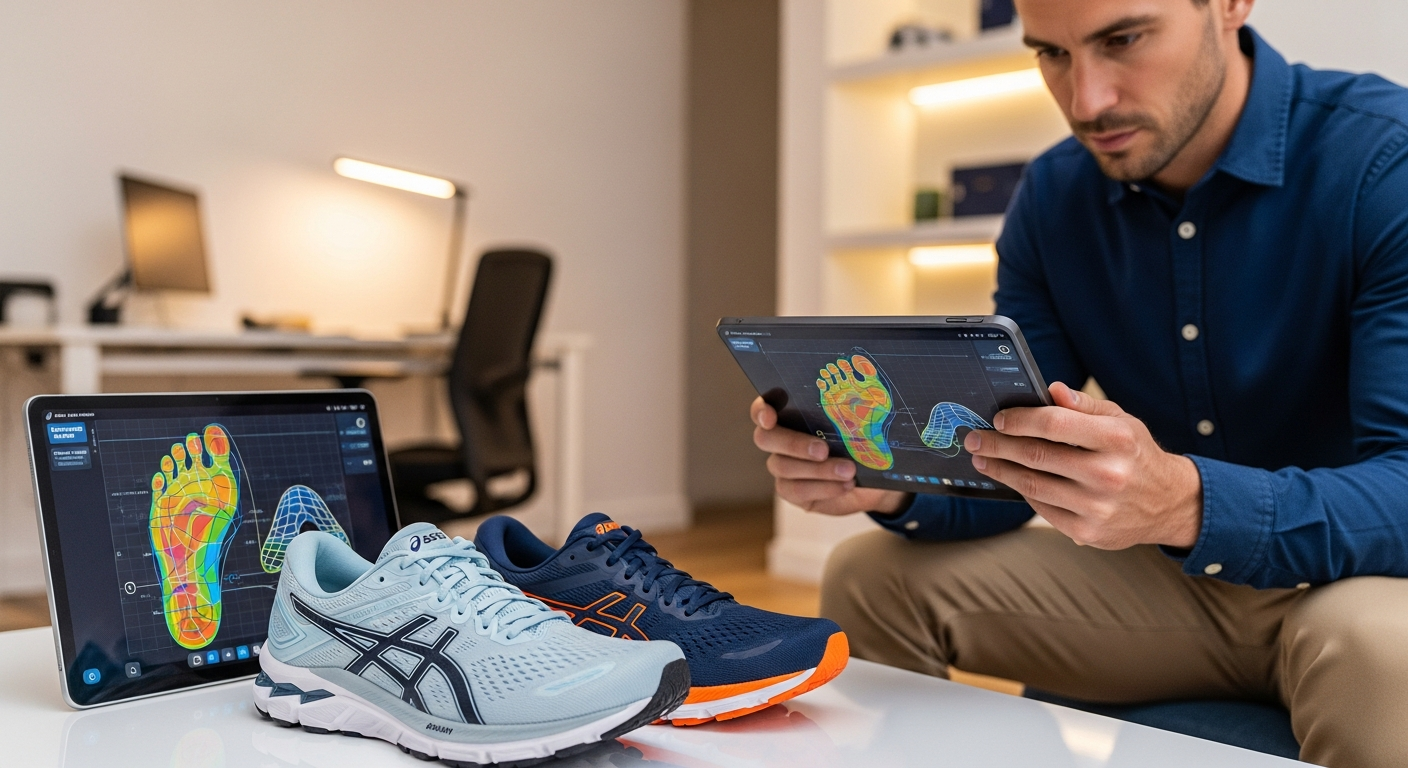
>Picking out running shoes can feel like a huge task, especially when you're just starting your running journey. This article aims to make that process simple, specifically for beginner female runners looking to buy their first pair of ASICS. My goal? To give you a clear, step-by-step way to confidently pick the perfect ASICS running shoes, cutting down on guesswork and avoiding expensive trial-and-error. By the end of this guide, you'll understand your unique foot shape and how to match it with ASICS' smart shoe tech, making sure you get great comfort, support, and injury prevention right from your first run.<
What You Need Before Starting: Basic Self-Assessment & Footwear Knowledge
Before we jump into ASICS shoes, let's do a quick check. Choosing the right shoe really depends on knowing your own body and what you plan to do with the shoes. Here’s what you should know:
- Understanding Your Running Goals: Are you planning casual walks with a few jogs, consistent 5k training, or just comfortable shoes for everyday? Your goals will tell you how much cushioning, support, and durability you need.
- Basic Knowledge of Foot Arch Type: This is super important. Your arch can be flat, neutral, or high. We'll show you a simple way to check this soon.
- Awareness of Pronation: Pronation is how your foot naturally rolls inward when it hits the ground. It can be underpronation (supination), neutral pronation, or overpronation. A quick 'wet foot test' can give you an idea.
- Current Shoe Size: While a starting point, remember that running shoes often need to be a half-size (or even a full size) bigger than your regular shoes. This gives your feet room to swell during activity and keeps your toes comfortable.
Step 1: Understand Your Running Goals & Frequency
>Defining why you're running is the first, and honestly, most important step. Are you a "utility" runner, mostly walking with a short, light jog now and then? Or are you a "performance-oriented" beginner, committed to a Couch to 5k program three times a week? These different uses need different shoe features.<
>For example, if you mostly walk and only jog for 1-2 miles once a week, comfort and moderate cushioning might be your top priorities. Durability matters, but less so than for someone running 15+ miles weekly. On the other hand, if you're serious about training for a 5k or 10k, you'll need a shoe with more cushioning, better stability (if your feet need it), and excellent durability to handle constant impact over higher mileage. A daily training shoe often uses tougher foams and rubber than a minimalist option. Be honest about your plans here; it helps you avoid buying either too little or too much shoe.<
Step 2: Determine Your Foot Arch Type (Crucial for Support)
Your foot arch type is a basic piece of information that helps decide how much support your running shoes should offer. Getting this right can really save you from discomfort and potential injuries. The easiest and most common way to check this yourself is the 'wet foot test'.
How to Perform the Wet Foot Test:
- Fill a shallow pan or tray with about an inch of water.
- Place a piece of dark construction paper or a brown paper bag on a flat, hard surface.
- Dip one foot into the water, making sure the whole sole is wet.
- Step firmly onto the paper, then lift your foot straight up.
- Repeat with the other foot.
What to Look For:
- Flat Arch (Pes Planus): If you see a full impression of your entire foot, with little to no inward curve, you likely have flat arches. Your foot might roll too far inward (overpronate) when you run.
- Neutral Arch: A neutral arch will show about half of your arch filled in. This is the most common arch type and means your foot absorbs shock well.
- High Arch (Pes Cavus): If you see only the ball of your foot and your heel, with a very thin or absent connection in the middle, you have high arches. This foot type might not absorb shock as well and can tend to underpronate (supination).
Why does this matter? Flat arches often do best with stability shoes, which help stop too much inward rolling. High arches generally prefer neutral shoes that focus on cushioning and flexibility, letting the foot pronate naturally. A neutral arch typically works well with neutral shoes. (For a picture, just search "foot arch types diagram" online).
Step 3: Identify Your Pronation Pattern (Stability vs. Neutral Shoes)
Pronation is how your foot naturally rolls inward after it hits the ground. It's a key part of how your body absorbs impact. Problems arise when this roll is either too much or too little. Knowing your pronation pattern tells you directly whether you need a neutral or stability shoe.
- Neutral Pronation: Your foot rolls inward about 15 degrees, spreading impact effectively. Runners with neutral pronation usually wear neutral running shoes, which focus on cushioning and flexibility, letting the foot move naturally.
- Overpronation: Your foot rolls inward too much (more than 15 degrees), causing the arch to flatten. This can lead to issues like shin splints, plantar fasciitis, or knee pain. Overpronators really benefit from stability shoes. These shoes have features like medial posts (firmer foam on the inside of the midfoot) or guide rails to reduce the inward roll.
- Underpronation (Supination): Your foot rolls outward, putting more stress on its outer edge. This is less common but can cause problems if ignored. Underpronators typically need neutral shoes with plenty of cushioning, as their feet need more flexibility to absorb shock naturally. Stability features would actually be bad for them.
How to Check Your Pronation:
- Wet Foot Test (Again): As I mentioned, a flat arch often means overpronation, while a high arch can point to underpronation.
- Old Shoe Wear Pattern: Look at the soles of your old, well-worn running or walking shoes.
- Overpronator: Heavy wear on the inside edge of the sole, especially under the ball of the foot and the heel.
- Neutral Pronator: Even wear across the ball of the foot, with slight wear on the outer heel.
- Underpronator: Heavy wear on the outer edge of the sole.
- >Observe Your Gait (Video Analysis):<> If you can, have someone film you running from behind on a treadmill. Watch your ankles – do they collapse inward a lot? Do they seem stiff and roll outward? (This is a more advanced method, often done at specialty running stores).<
For beginner female runners, getting pronation right is a huge deal. It's the difference between a comfortable, supportive run and potential discomfort or injury later on. ASICS really shines in both neutral and stability shoes, offering smart choices for every foot type.
Step 4: Explore ASICS' Core Technologies for Beginners
ASICS has been a leader in running shoe innovation for decades, and their focus on how the body moves is clear in their main technologies. For a beginner, you don't need to memorize every acronym. Just understand how each part helps with your comfort and performance. Think of these as the key features in a good car, each doing a specific job.
- GEL™ Cushioning Technology: This is ASICS' most famous and long-lasting innovation. Placed in the heel (for heel strikers) and/or forefoot (for midfoot/forefoot strikers), GEL™ units are designed to absorb shock when you land and allow for a smoother transition. For beginners, this means a noticeable drop in impact stress on your joints, leading to a more comfortable run with less fatigue. It’s like having tiny shock absorbers built into your shoes.
- FLYTEFOAM™ / FF BLAST™ Cushioning: These are special foam compounds that provide light cushioning. FLYTEFOAM™ is known for being durable and responsive, springing back to its original shape after each step. FF BLAST™ is newer, even lighter, and bouncier foam, designed to give an energetic and soft ride. For a new runner, this means a shoe that feels lighter on your foot, making your runs feel easier, while still giving great protection from the ground. It’s essential for staying comfortable over longer distances.
- GUIDANCE LINE™ / TRUSSTIC SYSTEM™ Technology: These work together to make your stride more efficient and provide stability.
- GUIDANCE LINE™: This is a vertical groove that separates the sole along your stride path for better gait efficiency. Basically, it helps guide your foot through a more natural and efficient movement from heel strike to toe-off.
- TRUSSTIC SYSTEM™: Found in the midfoot, this light component strengthens the shoe's structure, stopping too much twisting. For stability shoes, it works with other parts to control pronation. For neutral shoes, it ensures the shoe keeps its shape and support without adding unnecessary weight. It’s the structural backbone, keeping your foot supported throughout its motion.
- AHAR™ / AHARPLUS™ Outsole: ASICS High Abrasion Rubber is a tough rubber compound placed in the areas of the outsole that wear down fastest. This significantly extends the shoe's life, which is a great feature for beginners who want their shoes to last. AHARPLUS™ is an even tougher version.
Knowing about these technologies helps you appreciate the engineering behind ASICS shoes and how they directly meet a runner's needs, from absorbing shock to guiding your stride. It's not just about how they look; it's about how they perform.
Step 5: Match Your Profile to Recommended ASICS Models
Amazon —
Compare options on Amazon
Amazon — Compare options on Amazon
Now that you've assessed yourself and understand ASICS' main technologies, it's time to put it all together. This section gives you a quick rundown of specific ASICS models often suggested for beginner female runners, grouped by foot type and cushioning needs. Think of this as your personalized shopping list.
Recommended ASICS Models for Beginner Female Runners:
For Neutral Runners (Neutral Arch, Neutral/Underpronation):
- ASICS GEL-Cumulus:
- Key Features: Plenty of GEL™ cushioning in the heel and forefoot, FLYTEFOAM™ Blast cushioning.
- Benefits for Beginners: Excellent shock absorption, soft comfort, and a smooth ride make it incredibly forgiving for daily training and longer runs. It’s a reliable workhorse for neutral feet.
- Suits: Beginners looking for a well-cushioned, versatile neutral shoe for everyday miles, from short jogs to aiming for 10k distances.
- ASICS GEL-Nimbus:
- Key Features: Maximum GEL™ and FF BLAST™ PLUS ECO cushioning, PureGEL™ technology for extra softness.
- Benefits for Beginners: The ultimate in soft comfort and protection. If cushioning is your absolute top priority, the Nimbus delivers a cloud-like experience, significantly reducing impact fatigue.
- Suits: Beginners who want maximum cushioning for comfort, recovery runs, or those with higher arches needing extra shock absorption.
For Stability Runners (Flat Arch, Overpronation):
- ASICS GEL-Kayano:
- Key Features: Dynamic DUOMAX™ support system, GEL™ and FF BLAST™ PLUS cushioning, 4D GUIDANCE SYSTEM™.
- Benefits for Beginners: This is the gold standard for stability. It gives strong support to stop too much inward rolling, helping keep your alignment correct and reducing strain. It’s incredibly stable yet surprisingly cushioned.
- Suits: Beginner female runners who overpronate and need significant support for daily training, offering a good mix of stability and comfort.
- ASICS GT-2000:
- Key Features: LITETRUSS™ technology for stability, GEL™ and FLYTEFOAM™ cushioning.
- Benefits for Beginners: A slightly lighter and more responsive stability option than the Kayano. It offers reliable support without feeling too bulky. This is a great starting point for stability shoes.
- Suits: Beginners who overpronate but prefer a slightly quicker feel, good for daily runs and faster efforts.
For All-Rounders / Hybrid Use (Versatile Options):
- ASICS GEL-Contend:
- Key Features: AMPLIFOAM™ cushioning, GEL™ technology, GUIDANCE LINE™ technology.
- Benefits for Beginners: An excellent budget-friendly choice that offers a good balance of cushioning and support for general use. It's a solid, straightforward entry-level shoe.
- Suits: Beginners on a tighter budget, those who need a versatile shoe for walking, light jogging, and gym workouts, or for very infrequent running.
Remember, these are just starting points. The final choice will come after trying shoes on, but this guide really helps narrow down your options, making your in-store experience much easier.
>Comparison Table: Top ASICS Running Shoes for Beginner Female Runners<
To make your decision even simpler, I've put together a detailed comparison table. This shows you the key specs for the most recommended ASICS models for beginner female runners side-by-side, allowing for quick comparisons.

| Model Name | Foot Type (Neutral/Stability) | Arch Type Suitability | Cushioning Level | Key ASICS Tech | Best For | Price Range (Est. USD) | Why it's great for beginners |
|---|---|---|---|---|---|---|---|
| ASICS GEL-Cumulus 26 (2026 est.) | Neutral | Neutral, High | Moderate-High | GEL™, FLYTEFOAM™ Blast | Daily jogs, 5k training, comfortable walking | $120 - $140 | Versatile, highly cushioned, smooth ride. Excellent all-rounder for neutral feet. |
| ASICS GEL-Nimbus 26 (2026 est.) | Neutral | Neutral, High | Maximum | PureGEL™, FF BLAST™ PLUS ECO | Long runs, recovery runs, max comfort | $160 - $180 | Ultimate plushness and impact protection. Ideal for beginners prioritizing comfort over everything. |
| ASICS GEL-Kayano 31 (2026 est.) | Stability | Flat, Neutral (with overpronation) | High | 4D GUIDANCE SYSTEM™, GEL™, FF BLAST™ PLUS | Daily training, long runs for overpronators | $160 - $180 | Industry-leading stability with premium cushioning. Essential for managing overpronation. |
| ASICS GT-2000 13 (2026 est.) | Stability | Flat, Neutral (with mild overpronation) | Moderate | LITETRUSS™, GEL™, FLYTEFOAM™ | Daily training, faster efforts for overpronators | $120 - $140 | Lighter stability option, responsive and supportive without being overly stiff. |
| ASICS GEL-Contend 9 (2026 est.) | Neutral (mild support) | Neutral, Flat (mild) | Moderate | AMPLIFOAM™, GEL™ | Casual running, walking, gym, budget-friendly | $70 - $90 | Excellent value, good entry-level cushioning and general versatility for new runners on a budget. |
Step 6: The Importance of Proper Sizing and Fit
Even if you pick the perfect model for your foot type, the wrong size can ruin everything. A proper fit is non-negotiable for comfort, performance, and avoiding injuries. This isn't like buying casual sneakers; there are specific things to look for.
- Try Shoes On in the Afternoon/Evening: Your feet swell throughout the day, especially after activity. Trying shoes on when your feet are at their biggest ensures they'll be comfortable at all times. This prevents cramped toes or pressure points during a run.
- Wear Your Running Socks: Always try on running shoes with the exact type of socks you'll actually wear for running. Sock thickness varies, and this can significantly change how a shoe fits.
- The "Thumb's Width" Rule: You should have about a thumb's width of space (roughly half an inch) between your longest toe and the end of the shoe. This stops your toes from hitting the front of the shoe on downhills or as your foot naturally lengthens during your stride.
- Heel Lock: Your heel should feel secure, not slipping excessively up and down. A little bit of heel lift is normal, but too much movement can cause blisters and instability. Use the top eyelets (a runner's knot) if you need a tighter heel lock.
- Midfoot Snugness: The shoe should feel snug but not tight across the top of your foot and around the arch. You shouldn't feel any pinching or too much pressure. The laces should be able to tighten without causing discomfort.
- Walk/Light Jog: Don't just stand there! Take a few laps around the store, do some light jogging, even try a few simulated strides. Pay attention to any pressure points, rubbing, or discomfort. Honestly, if it doesn't feel right in the store, it won't feel right on the run. Trust your gut feeling.
>Remember, running shoe sizes often run a half to a full size larger than your casual shoes. Don't obsess over the number; focus on how it feels and the thumb's width rule. A slightly larger running shoe is almost always better than one that's too small.<
Step 7: Where to Purchase and What to Expect
Amazon —
See latest reviews on Amazon
Amazon — See latest reviews on Amazon
After all this careful thought, the last step is buying them. Where you purchase your ASICS running shoes can be just as important as which model you choose.
- Specialty Running Stores: For your first pair, especially as a beginner female runner, I highly recommend a specialty running store. These stores typically offer gait analysis (where staff watch you run on a treadmill to check your pronation) and have knowledgeable staff who can help you with fitting and choosing a model. That personalized service can be invaluable.
- Online Retailers: If you're confident about your foot type and sizing (maybe after an in-store fitting you did before), online retailers offer convenience and good prices. Always make sure the retailer has a good, easy return policy, as fit can vary slightly even within the same model.
What to Expect Post-Purchase:
- Break-In Period: Most modern running shoes, especially ASICS with their advanced cushioning, need very little breaking in. However, it's smart to start with shorter runs (1-2 miles) for the first week or two. This lets your feet and the shoes get used to each other. Don't go for a 10-mile run in brand new shoes!
- When to Replace Shoes: A general rule for replacing running shoes is every 300-500 miles, or roughly every 4-6 months for regular runners. For beginners, this might mean 6-12 months, depending on how much you run. Signs of wear include less cushioning, loss of bounce, visible wear on the outsole, or new aches and pains you didn't have before. The foam compresses and loses its ability to absorb shock effectively over time, even if the upper still looks fine.
Common Mistakes Beginner Female Runners Make When Buying ASICS (and How to Avoid Them)
Even with a good plan, it's easy to make mistakes. Here's a quick list of common errors and how to avoid them:
- Buying Based on Looks Alone: How a shoe looks is less important than how it functions. A shoe might be gorgeous, but if it doesn't support your foot type, it's a bad buy. Prioritize fit and function first.
- Not Understanding Foot Type/Pronation: This is the biggest mistake. Guessing leads to discomfort, inefficient running, and potential injury. Use the wet foot test and check your old shoes.
- Buying the Wrong Size: Too small leads to blisters and black toenails; too big leads to instability. Always follow the thumb's width rule and try them on with your running socks.
- Not Trying Shoes on Properly:> Just standing in them isn't enough. Walk, jog, and really pay attention to how they feel.<
- Overspending on Advanced Features Not Needed for Beginners: While tempting, a beginner typically doesn't need a carbon-plated racing shoe. Focus on basic comfort, cushioning, and support. I'd skip this if you're just starting out.
- Ignoring Discomfort During Try-On: If it feels "off" or has a pressure point in the store, it will only get worse on a run. Don't hope it will "break in" and get better.
Pro Tips from Experienced Runners for Your First ASICS Pair
Beyond the technical details, there's a lot of real-world advice that can make your first shoe choice and running experience better. Consider these insights as smart advice from people who've been there.

- Don't Be Afraid to Ask for Help: Staff at specialty running stores are often runners themselves and are trained to help. Use their knowledge. A good gait analysis can truly change your game.
- Consider a Rotation of Shoes as You Progress: As you get better, you might find it helpful to have a "daily trainer" and a "faster day" shoe. But for your first pair, stick to a versatile daily trainer.
- Listen to Your Body – Pain is a Sign: If your new shoes consistently cause new aches or pains, don't ignore it. It might mean the shoe isn't right for you, or your form needs adjusting.
- Invest in Good Running Socks: High-quality moisture-wicking running socks are just as important as the shoes themselves. They prevent blisters and manage sweat, making a big difference in comfort.
- Keep Track of Mileage on Your Shoes: A simple log (even a note in your phone) of when you started wearing a pair and roughly how many miles you've put on them helps you know when to replace them. This stops you from running on "dead" shoes. Many running apps let you track shoe mileage.
FAQ: Your ASICS Running Shoe Questions Answered
How often should a beginner replace their ASICS running shoes?
For a beginner, how long your ASICS running shoes last really depends on how much you run and how often. A general rule is 300-500 miles. If you're running 10-15 miles a week, that means replacing them every 5-8 months. However, if you're only jogging occasionally, they might last longer, but the foam can still break down over time even with less mileage. Look for signs of wear like less cushioning, noticeable wear on the sole, or new aches.
Can I use ASICS running shoes for walking or gym workouts?
Absolutely! Most ASICS running shoes, especially daily trainers like the GEL-Cumulus or GEL-Contend, are great for walking because they're so comfortable and cushioned. For gym workouts, they usually work well for cardio machines (treadmill, elliptical) and lighter strength training. However, for very specific gym activities like heavy weightlifting (which needs a stable, flatter sole) or agility drills (which benefit from more side-to-side support), dedicated cross-training shoes might be better. But for general fitness, they're perfectly fine.
What's the difference between men's and women's ASICS models?
While many ASICS models share the same core technologies, women's specific models are often designed with typical anatomical differences in mind. Key differences include a narrower heel, a higher arch, and a slightly wider forefoot to fit the average female foot shape. Plus, women's shoes often have different cushioning densities to account for generally lighter body weights and different biomechanics. It's not just about different colors; there are real design tweaks for a better fit and performance.
Is it worth getting a gait analysis for my first pair?
Without a doubt, yes. For a beginner female runner, a professional gait analysis at a specialty running store is one of the best things you can do. It gives you an objective look at how your foot strikes, your pronation, and your overall biomechanics, which can be tough to figure out accurately on your own. This expert insight significantly lowers the risk of picking the wrong shoe, preventing potential injuries and ensuring great comfort from day one. It's a really valuable piece of information.
How do I know if my ASICS shoes are causing pain or discomfort?
Pay close attention to any new or unusual pain that starts after you begin running in your new ASICS. Common signs include blisters, constant arch pain, shin splints, knee pain, or hip discomfort that wasn't there before. If the pain is consistent, sharp, or gets worse when you run, that's a strong signal. It could mean the shoes aren't the right fit for your foot type, the sizing is off, or you might need more (or less) support. Don't try to push through persistent pain.
Are more expensive ASICS shoes always better for beginners?
Not necessarily. While higher-priced ASICS models often include the newest and most advanced technologies (like maximum FF BLAST™ cushioning or complex stability systems), a beginner doesn't always need these premium features. For example, a GEL-Kayano (a premium stability shoe) is excellent for overpronators, but a GT-2000 (mid-range stability) might be perfectly good and a better fit for your budget. The key is finding the right balance of cushioning, support, and fit for your specific needs, not just picking the highest price tag. The GEL-Contend, for instance, offers fantastic value for casual beginners.
For a deeper dive into running shoe fundamentals and to explore other brands, please visit our main running-shoes pillar page.
Disclaimer: This article provides general information and recommendations for selecting running shoes. It is not a substitute for professional medical advice or a personalized fitting from a specialty running store. Always consult with a healthcare professional for any concerns about pain, injury, or specific foot conditions.
Related Articles
- Best Ai-Powered Video Editing Software For Mac
- How N8N Helps Sap Ai Strategy Consultants
- Comparison Of Ai Video Editing Platforms For Professionals
- Affordable AI Video Editing for Small Business
- Master Gemini Advanced: AI for Business Professionals
- AI Writing Tools Comparison: Features & Pricing for Business